

Introduction
If you are a data analyst in 2026, you have probably noticed something big has changed. The job used to be about making pretty dashboards and summarizing what already happened. But now, companies expect you to drive decisions using AI. That shift can feel sudden.
Here is the reality check. According to a recent labor market report, nearly 45% of data and analytics job postings now include AI-related terms. That is a massive jump compared to just a few years ago. Meanwhile, the overall number of data analyst jobs is growing fast. Some sources show a 23% growth rate and average salaries around $111,000. But with that opportunity comes a lot of pressure.
It can feel overwhelming. There is so much information coming at you every day. New tools. New skills. New job titles. You might wonder if you need to go back to school or learn coding from scratch. The truth is, the core of being a data analyst is still about asking good questions and finding answers. What has changed is the toolbox.
Data analysts now need to work alongside AI models, understand machine learning basics, and use modern data analysis tools like Google Data Studio (now Looker Studio) to tell stories that actually change business outcomes. The days of just pulling reports are over. You need to be part of the strategy.
But here is the good news. You do not need to figure it all out alone. This article gives you a clear roadmap. We will cover how to build AI-ready skills, how to master the data science lifecycle, and which tools you should learn right now. We will also point you to resources like an AI ML course if you want to go deeper. Whether you are new to data analyst jobs or looking to level up, this guide will help you cut through the noise.
Staying up to date with the latest AI breakthroughs is part of the job. You can keep learning about how artificial intelligence is reshaping industries at Latest AI Breakthroughs. Now let us dive into the steps you need to take.
The Evolving Role of the Data Analyst in AI-Driven Organizations
If you thought a data analyst job was just about making pretty charts, it is time to think again. In 2026, the role has changed completely. Companies no longer just want someone to explain what happened last quarter. They want someone who can use AI to predict what happens next.
This shift shows up clearly in the job market. A recent labor market analysis found that nearly 45% of data and analytics job postings now include AI-related terms. The old job description is gone. Now, data analysts are expected to understand how machine learning models are built and how to interpret their results. You do not have to be a data scientist. But you do need to speak the language of algorithms and work alongside AI tools.
Here is the real opportunity. The most valuable data analysts in 2026 act as a bridge. They connect the technical team building the models with the business leaders making strategic decisions.

For example, if a marketing team wants to reduce customer churn, you need to turn that business goal into a technical AI project. Then you need to explain the model’s predictions in a way the CEO can act on. This human skill of translation is what makes you hard to replace.
Because of this shift, we are seeing new hybrid job titles emerge. Roles like "Analytics Engineer" and "AI Analyst" are growing fast. These positions blend data engineering, machine learning, and classic analysis. They focus on building and maintaining the systems that power real-time, AI-driven decisions. It is a natural next step for analysts who want to work with cutting-edge technology.
To keep up with this fast-moving field, you need to stay informed. Learning about how artificial intelligence is reshaping specific industries can spark new ideas for your own work. For instance, exploring how AI breakthroughs are transforming gaming and 3D might give you a fresh way to approach your own data problems.
Now let us look at the specific skills and tools you need to master to thrive in this new landscape.
Mastering the Data Science Lifecycle: From Business Understanding to Deployment
Have you ever spent days cleaning a dataset only to realize later that you were asking the wrong question? It happens a lot. That is exactly why a structured data science lifecycle exists. It gives you a proven roadmap from start to finish.
The lifecycle has several key phases. They include business understanding, data acquisition, data exploration, modeling, evaluation, and deployment.
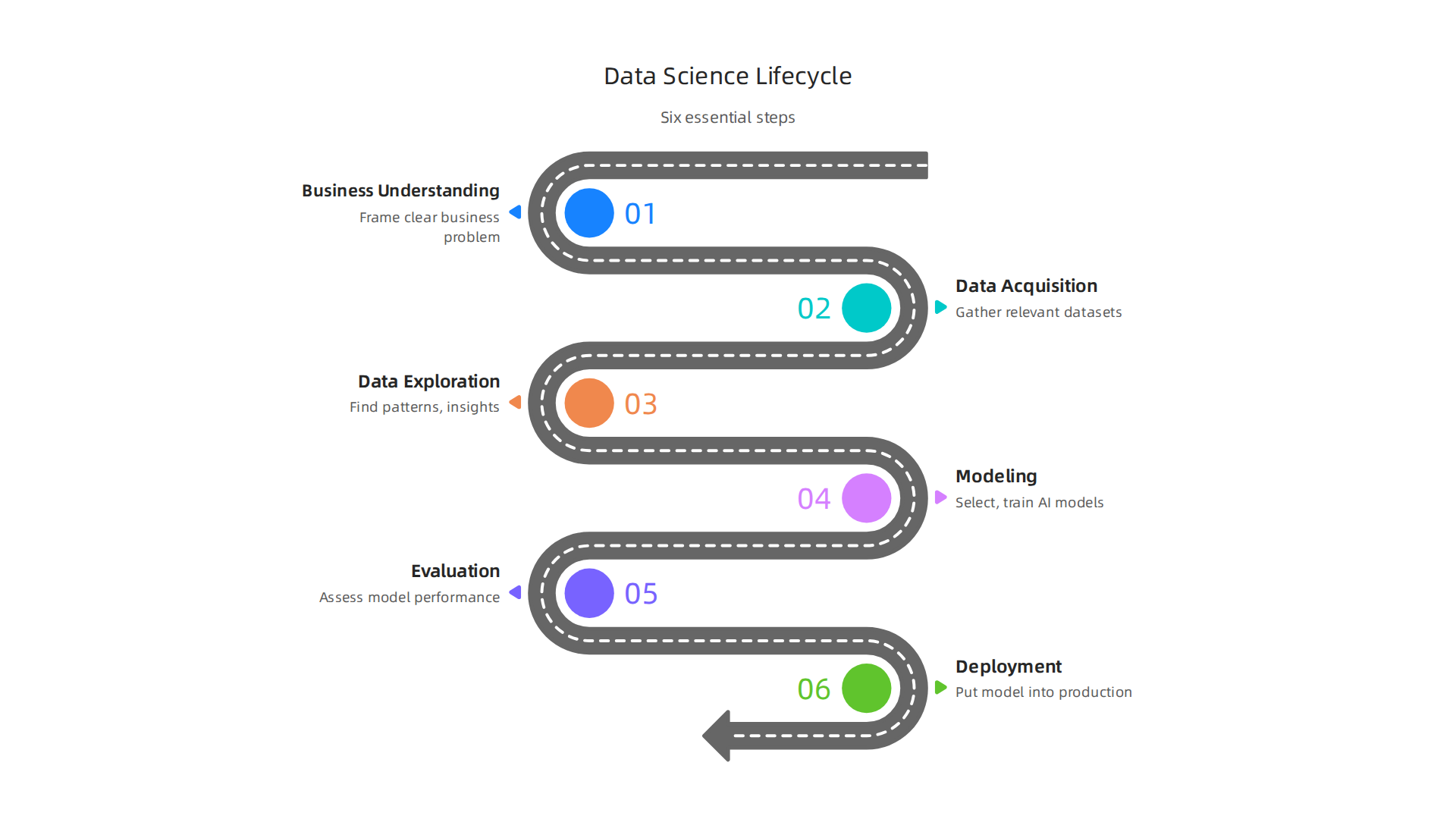
Each step builds on the one before it. A good data science life cycle helps teams move from a vague business problem to a working AI solution in production.
Here is why this matters for you as a data analyst. You don’t have to run every phase yourself. But you must understand each one to work well with data scientists and engineers.

For example, when a marketing leader says "we need to reduce customer churn," you can help frame that as a clear business problem. Then you know what data to ask for during acquisition. You can also help explore the data to find patterns before modeling even starts.
Many analysts struggle because they only focus on the middle phases like exploration and modeling. They skip the business understanding part. That leads to models that nobody uses. According to a comprehensive guide on the data science life cycle by Simplilearn, one of the most common best practices is to spend enough time on problem framing upfront. That saves you from wasted work later.
The evaluation and deployment phases are just as important. An AI model that sits on a laptop is useless. It only creates value when it gets deployed into a real system. Deployment often means working with engineers to put the model into an app or dashboard. For instance, the latest AI breakthroughs in gaming and 3D show how models move from research to real products. Data analysts who understand the whole lifecycle can help make that handoff smooth.
Mastering the data science lifecycle is not just a technical skill. It makes you a better communicator and a more strategic thinker. And that is exactly what companies are hiring for in 2026.
Essential Technical Skills for Modern Data Analysts
SQL is still the bread and butter of data work. If you cannot write a solid SELECT statement with joins, you will struggle to get started. But in 2026, SQL alone is not enough.
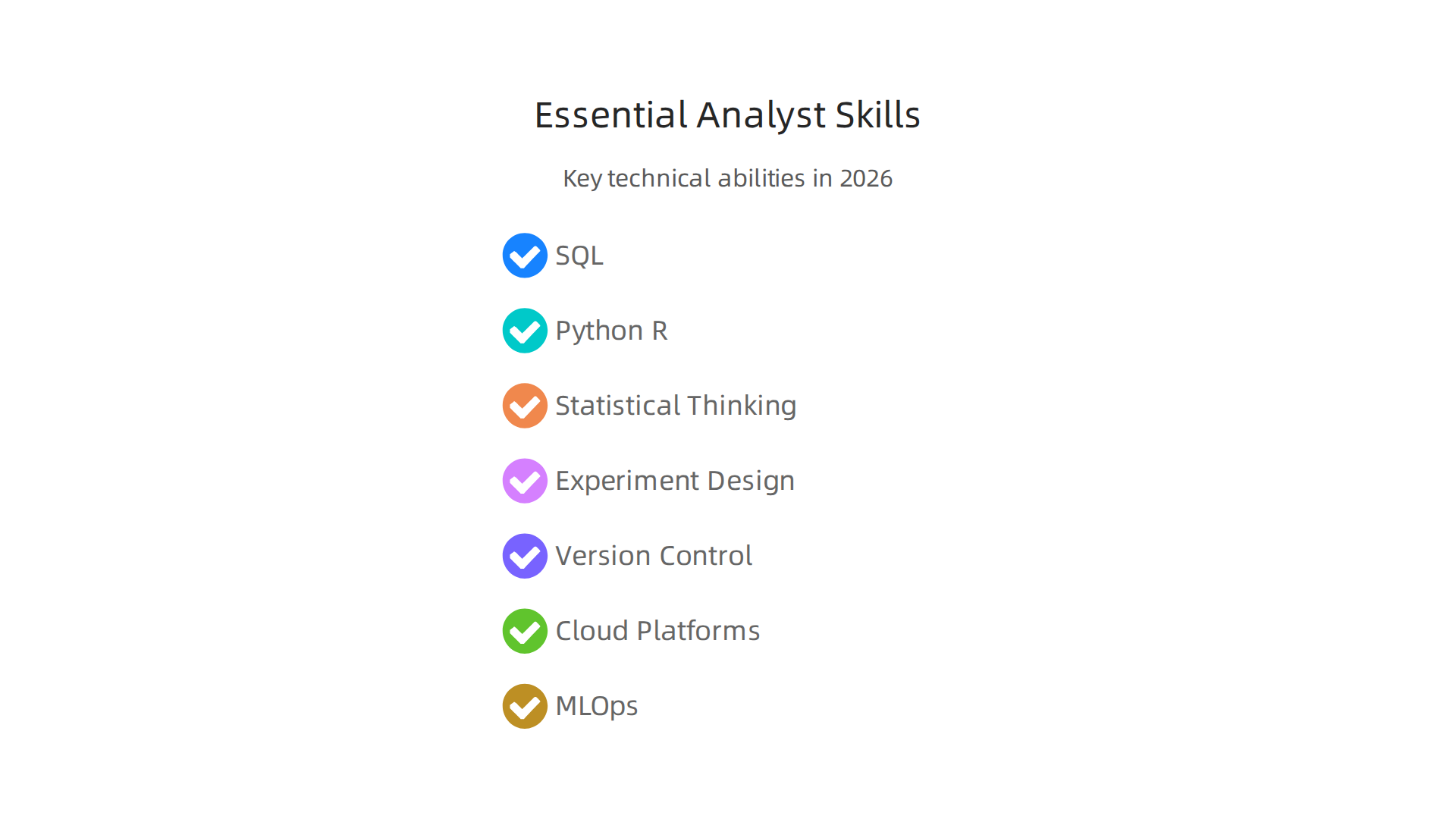
Companies now expect you to pair it with Python or R for machine learning tasks. According to a guide on essential tools for 2026, scripting languages have become a standard requirement for most data analyst jobs.
You also need a strong dose of statistical thinking. Knowing how to run a t-test or calculate a p-value is great. But understanding when to use them is even better. Experimentation design is huge in 2026. Companies run A/B tests on everything from product features to marketing campaigns. If you can design a clean experiment and explain the results to a non-technical stakeholder, you become invaluable. The data science life cycle guide highlights how this kind of thinking fits into the evaluation phase of any project.
Here is where things get interesting. Version control is no longer just for software engineers. Git is now a core tool for data analysts too. Cloud platforms like AWS, Google Cloud Platform, and Azure are becoming standard in many organizations. And basic MLOps is starting to appear in job descriptions. The data science challenges guide for 2026 notes that integrating AI into production workflows is one of the biggest hurdles teams face. MLOps means understanding how models get deployed, monitored, and updated in production. This is where the lifecycle we talked about earlier becomes real. Models that sit on a laptop create no value. But when you can push a model to the cloud and track its performance over time, that is where the magic happens. The latest breakthroughs in artificial intelligence imaging show how quickly models move from research to real products in 2026.
Do not let this list overwhelm you. You do not need to master all of these overnight. Start with SQL and Python. Add statistical thinking next. Then experiment with Git and a cloud platform. Each skill builds on the last. And every one of them makes you a stronger data analyst.
Tools and Platforms Transforming Data Analysis in 2026
Here is something worth thinking about. The tools you use as a data analyst today barely look like the ones from just two years ago. The job used to mean spending hours cleaning data in spreadsheets. Now, platforms are doing the heavy lifting for you.
Let us start with AutoML. Tools like H2O and DataRobot let you build machine learning models without writing complex code.
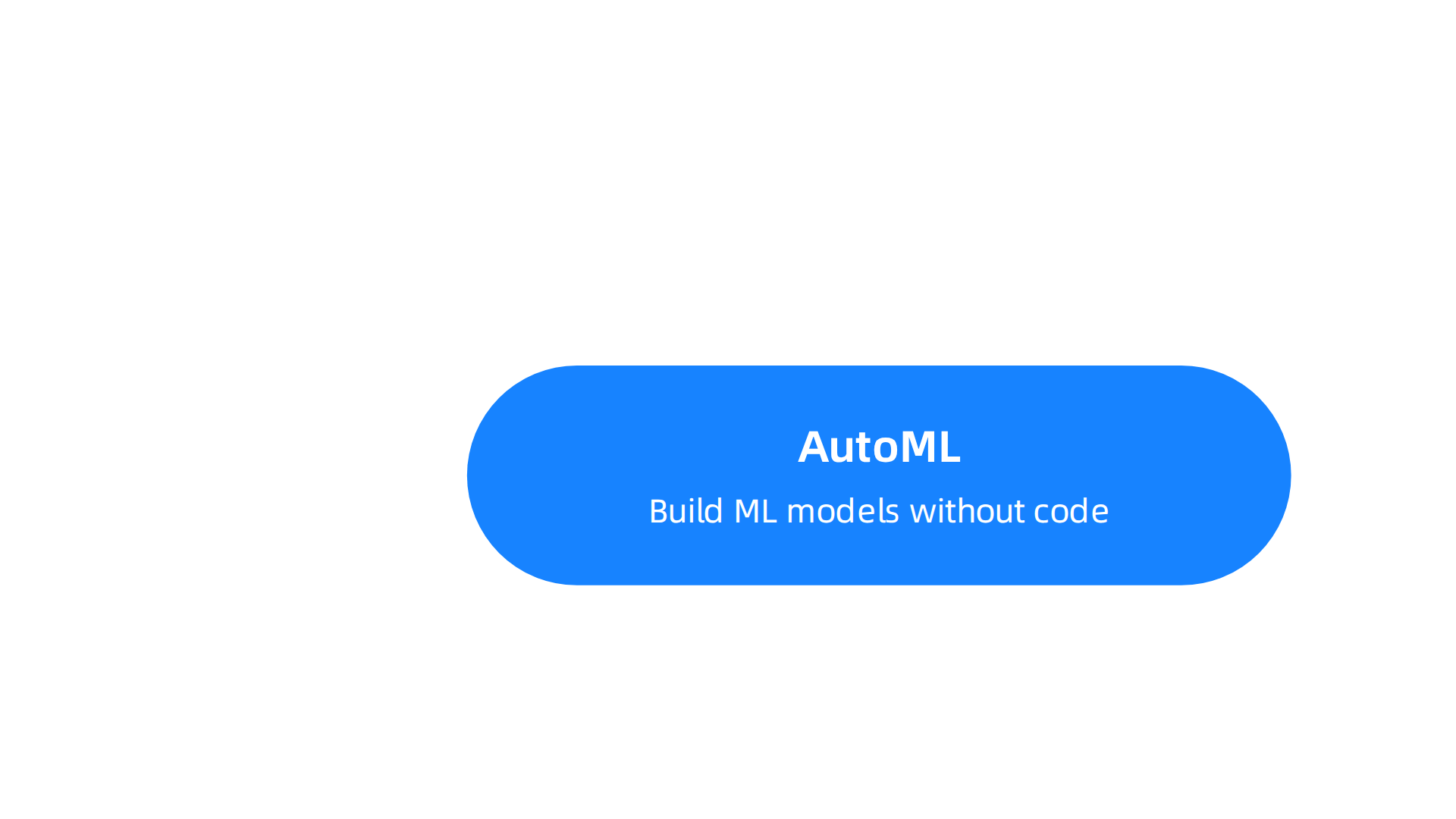
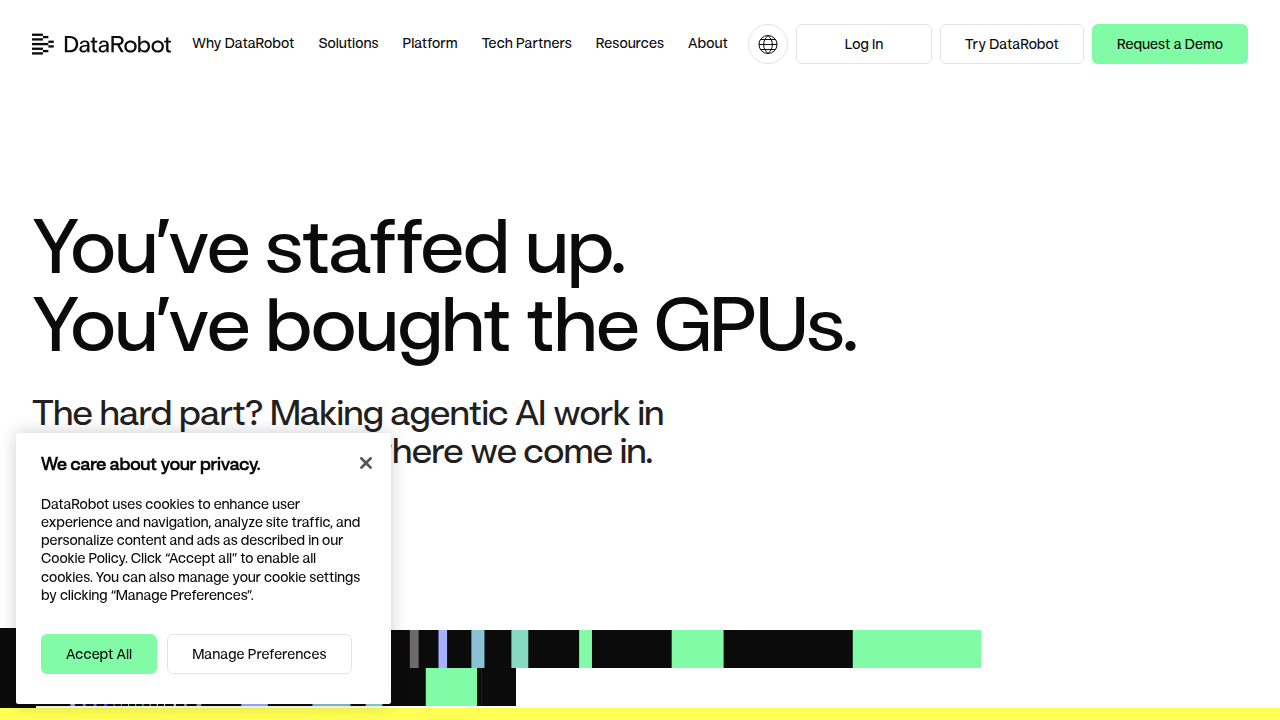
You upload your data, pick a target, and the platform tries dozens of algorithms automatically. For a data analyst who knows business context but does not have a PhD in statistics, this is a game changer. A detailed comparison of top AI data analysis agents in 2026 shows that platforms like Qlik Predict now offer no-code predictive modeling that anyone on the team can use. The top AI tools for automating Python data analysis pipelines in 2026 also list AutoML libraries as a must-know for any serious data analyst.
Then there are cloud-based collaborative notebooks. Databricks and Vertex AI Workbench let you and your team work in the same notebook at the same time.
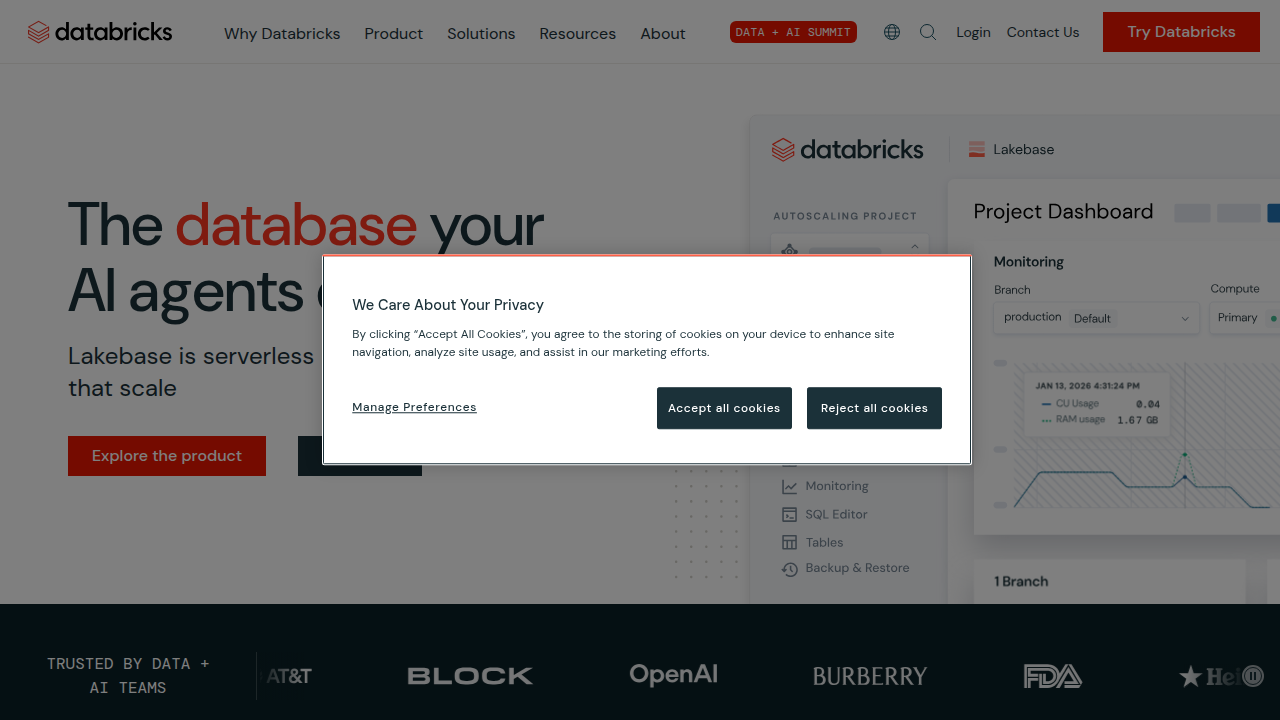
No more emailing CSV files back and forth. You write SQL, Python, or R in the same document. You see each other’s changes live. The best data analytics platforms for analysts in 2026 report from Contentsquare puts Databricks near the top of the list for exactly this reason.
And here is where things get really interesting. AI-powered SQL assistants and copilot tools are changing how you interact with data. Instead of typing a complex JOIN statement from memory, you can ask Microsoft Copilot or Jupyter AI in plain English: "Show me sales by region for the last quarter." The tool writes the SQL for you. According to a roundup of the best data analysis tools to use in 2026, natural language querying is becoming standard across platforms like Tableau AI and Google BigQuery ML.
These advances do not replace your skills. They amplify them. You still need to know what question to ask. You still need to understand what the output means. But the friction between having an idea and getting an answer has almost disappeared. This is why staying current with AI tools is so important, and our coverage of artificial intelligence breakthroughs in 2026 explains how these technologies are evolving across industries.
The best part? Most of these platforms offer free tiers or trial versions. You can start playing with them today and see what works for your workflow.
Building a Career as a Data Analyst in AI
You already know the tools are powerful. But the people who get the best jobs in 2026 are the ones who combine those tools with the right credentials and people skills.
Let us start with what actually matters to employers. Certifications carry real weight.
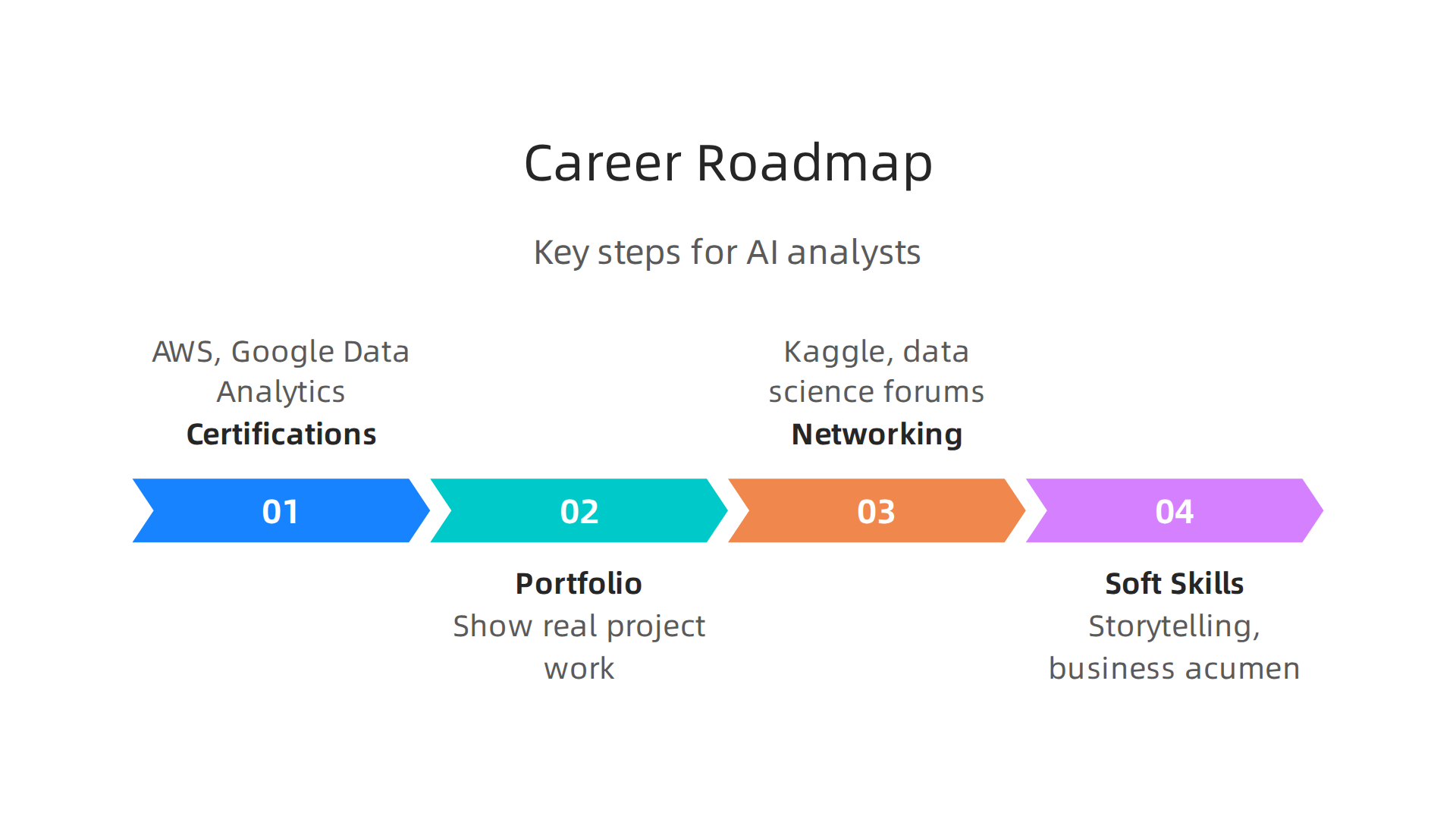
The AWS Certified Data Analytics and Google Data Analytics certificates tell hiring managers you can work with cloud platforms and modern data stacks. An AI ML course can also help you bridge the gap between traditional analysis and machine learning. But here is the thing: a certification alone is not enough. You need a portfolio that shows you can use these tools to solve real problems. Upload your projects to GitHub or a personal site. Show a dashboard built with Tableau AI or a predictive model made with AutoML. According to a roundup of the top data analytics platforms for 2026, analysts who can demonstrate practical work with tools like Databricks and Power BI stand out.
Next, build your network. Join communities like Kaggle and data science forums. Compete in challenges. Contribute to open source projects. These activities make your name visible and prove you can collaborate. Many data analyst jobs in 2026 go to people who are recommended by someone in their network. Staying current with AI breakthroughs is part of that credibility, and reading coverage of how artificial intelligence is reshaping industries can give you conversation starters.
Finally, do not ignore soft skills. Storytelling with data is what turns a spreadsheet into a decision. Business acumen helps you ask the right questions before you even open a tool. Technical skills get you in the door. But the ability to explain findings to non technical leaders is what gets you promoted.

If you want to keep learning how AI is changing the analyst role, check out our deep dive into AI breakthroughs in gaming and 3D to see how these technologies connect to data work.
Build the skills. Show your work. Talk to people. That is the real formula for a data analyst career in 2026.
Ethical Considerations and Responsible AI for Data Analysts
You have built the skills and landed a role. But here is something many new data analysts miss. In 2026, your technical work comes with serious ethical responsibility. Hiring managers now look for people who can spot problems before they cause harm.

Bias is the biggest issue. If your data or your model favors one group unfairly, the results can hurt real people. As a data analyst, you must check your data collection and feature engineering for hidden bias. According to the IABAC blog on AI ethics, identifying and mitigating bias is a core duty in modern analytics. Even the best data analysis tools can produce unfair outcomes if you do not challenge your assumptions.
Transparency is now a standard requirement. When you build a model using AI, you need to explain why it made a decision. Tools like SHAP and LIME help you break down the logic. Many data analyst jobs in 2026 list interpretability as a must have skill. Understanding these methods also helps you communicate with stakeholders. If you want to see how transparency matters in creative AI, check out our article on how image artificial intelligence works.
Regulations are catching up fast. The European Union’s AI Act sets clear rules for high risk AI uses. A compliance guide for 2026 also highlights the California Consumer Privacy Act (CCPA) as a key framework. Analysts who understand these laws protect their companies from fines and build trust with users.
An AI ML course today often includes a module on ethics. That is smart. Pairing practical skills with ethical awareness makes you a more valuable candidate. It also helps you feel good about the work you do.
Data analysis is powerful. Use that power wisely.
Practical Project Workflow: A Step-by-Step Case Study
Now let us step into a real project. You have just landed one of those exciting data analyst jobs at a subscription-based company. Your first big task: predict customer churn using supervised learning. Here is how a data analyst moves from problem to presentation, and where things often go wrong.
First, define the problem clearly. Do not ask a vague question like "why do customers leave?" Instead, ask "which customers are most likely to cancel in the next 30 days?" This focus helps you choose the right data and metrics. It also keeps your work aligned with business goals.
Next comes data cleaning. Real data is messy. You will find missing values, duplicate rows, and inconsistent date formats. A common pitfall here is deleting rows with missing data too quickly. Those gaps can actually reveal important patterns about churn. Use tools like Python and SQL to explore before you clean. Also, check for hidden bias in your data. As the IABAC blog on AI ethics explains, identifying bias early is a core duty in modern analytics.
Then you move to feature engineering. This is where you build the variables your model will learn from. Good features for churn might include days since last login, number of support tickets, and average session time. A big pitfall: data leakage. If you accidentally use future information, your model will look perfect in testing but fail in production. Always double-check the timing of your data.
At the modeling stage, you pick an algorithm like random forest or XGBoost. You can also look at the latest AI breakthroughs in 2026 to see which algorithms are trending for classification tasks. Train your model on historical data and validate it on a separate set. A common mistake is overfitting, making the model too complex for the data. Keep it simple first.
Finally, present your results. Use a tool like Google Data Studio to build a clear dashboard for your stakeholders. Show the top three risk factors and a list of customers to target. Do not dump every metric. Focus on the five that matter most to the business. This is where your soft skills shine.
If you want to build these skills step by step, an AI ML course usually includes a full project like this. It is a great way to practice the workflow before you face it on the job.
Conclusion: Taking Action as a Data Analyst in the AI Era
You have walked through what it takes to succeed as a data analyst in 2026. From defining clear questions to cleaning data responsibly, building features without leakage, and presenting results that matter. The core skills are not just technical. They include ethical awareness, like catching bias early, and strong communication.
The demand for skilled analysts keeps rising. According to the Data Analyst Job Outlook 2026, the field shows 23% growth and a median salary around $111,000. That is a clear signal. Companies across healthcare, finance, and tech need people who can turn messy numbers into clear decisions.
So where do you start? Pick one thing from this article you have not tried yet. Maybe it is learning Google Data Studio to build a dashboard. Maybe it is a quick course on feature engineering. The key is to apply it to a real dataset. Find a public dataset about customer churn, sales, or user behavior. Run the full workflow yourself. Make mistakes. Fix them. That is how you build real confidence.
Continuous learning is non-negotiable in this field. AI tools are changing fast. New data analysis tools emerge every quarter. To stay sharp, follow sources that cover the latest breakthroughs. For example, check out how AI breakthroughs in 2026 are reshaping industries to see how technology evolves.
If you want a structured path, consider an AI ML course that includes a hands-on project. That gives you guided practice and portfolio material. Data analyst jobs in 2026 reward those who can both understand the stats and explain them simply.
The best time to start was yesterday. The next best time is now. Open a dataset, load it into your tool of choice, and begin. You already know the workflow. Now go make it real.
Summary
This article explains how the data analyst role has shifted in 2026 from reporting to actively driving decisions with AI, and it lays out a practical roadmap for making that transition. It covers why businesses now expect analysts to understand machine learning basics and collaborate with engineers, and it walks through the full data science lifecycle from problem framing to deployment. The guide highlights the core technical skills to prioritize (SQL, Python/R, statistics, Git, cloud basics), the modern tools that accelerate work (AutoML, Databricks, AI SQL assistants), and the career actions that matter (certifications, portfolio projects, networking). It also addresses ethical responsibilities like bias detection, interpretability methods, and regulatory compliance. Readers will finish ready to choose a concrete next step—build a project, learn a tool, or take a course—and will understand how to translate their analysis into real business impact.