
Why this matters now: framing AI, jobs, and societal risk
Right now, in 2026, it feels like artificial intelligence (AI) is everywhere. It is changing a lot about how we live and work. The world is watching closely to see what jobs will AI replace and what new kinds of work will appear. This speedy change means we have big questions to answer. Leaders in companies, everyday workers, and even government officials need to think about these changes.

We are seeing a quick shift in what tasks humans do and what tasks machines powered by AI can handle.
This brings up important talks about how society is organized and if people will have fair chances. For example, some studies in 2026 show that a large number of jobs face a risk of being changed or displaced by AI. The AI Job Displacement Statistics 2026 highlight how many tasks are now open to automation.
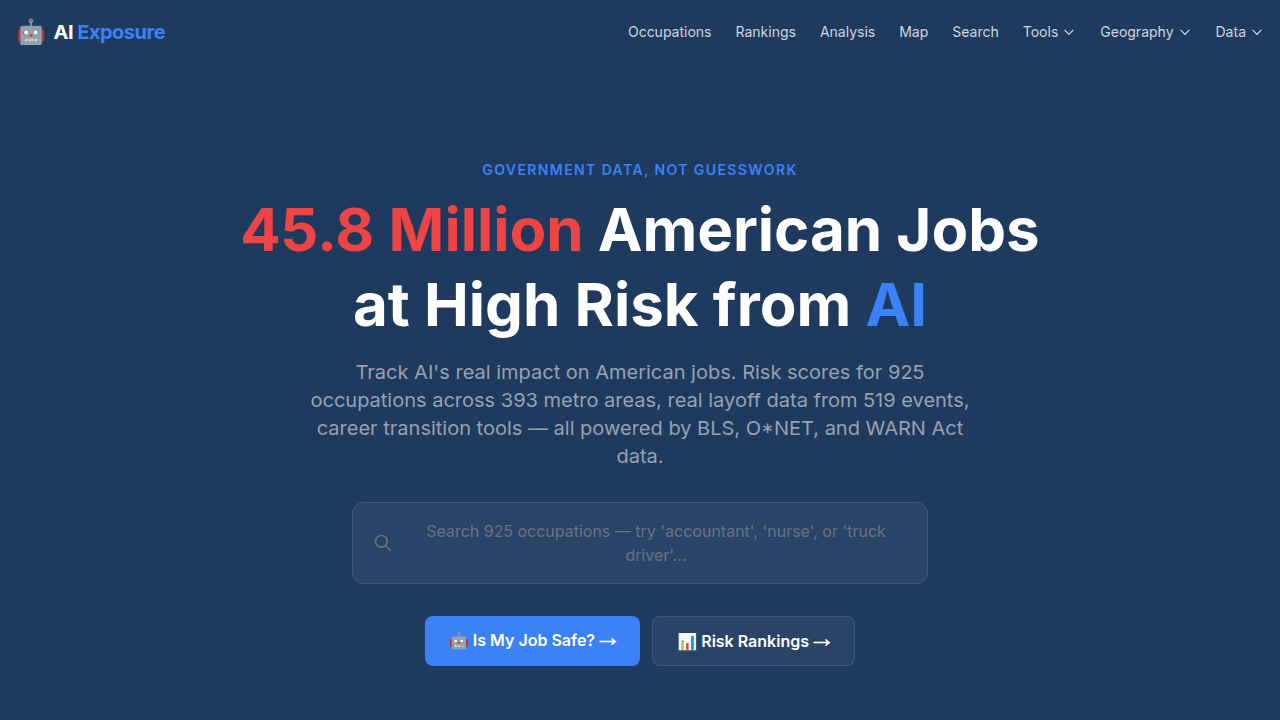
Many reports and surveys are looking into how AI is changing jobs. For instance, the Automation, AI, and Job Displacement Risk in U.S. Employment (2026) report gives regular updates on how much automation is happening in different jobs.
But here’s the thing: with all this talk, it is easy to get caught up in guesses and hype. This article is here to help you understand the real facts. We will look at what the evidence truly tells us about AI and jobs. We will separate the solid predictions from the wild stories. Our goal is to give you clear ways to understand these changes. We will provide helpful ideas for companies and people working in all kinds of jobs to respond well to the rise of AI.
Understanding how AI impacts society is key. To dive deeper into how these big changes affect everyone, you can read more about The Societal Implications of AI. It is about making sure we can use AI’s benefits while also keeping an eye on the risks.
For those who want to stay truly informed about the fast-moving world of AI without all the noise, there is a clear path.
Get clear daily AI updates from The AI Newsletter Worth Reading.
Which jobs will AI replace: evidence-based risk categories
Now that we understand the big picture of AI’s impact, let’s get into the details of what jobs will AI replace. It is easy to hear frightening stories about entire job types disappearing. But the truth is more complex. Many studies in 2026 show that artificial intelligence often changes specific tasks within a job rather than wiping out the whole job. This difference is very important.
For example, a report by Boston Consulting Group suggests that AI will reshape more jobs than it completely replaces.

Around 50% to 55% of jobs in the US might be reshaped by AI over the next few years, meaning parts of them will change AI Will Reshape More Jobs Than It Replaces. This means people often work with AI, taking on new roles or doing their old tasks in a new way.

For a deeper look at how this partnership works, read about human AI collaboration how to partner with artificial intelligence in 2026.
So, what jobs will AI replace at the task level, and which are more likely to see big changes? We can group jobs into different risk levels based on how much AI can take over their typical tasks.
High-Risk Occupation Categories
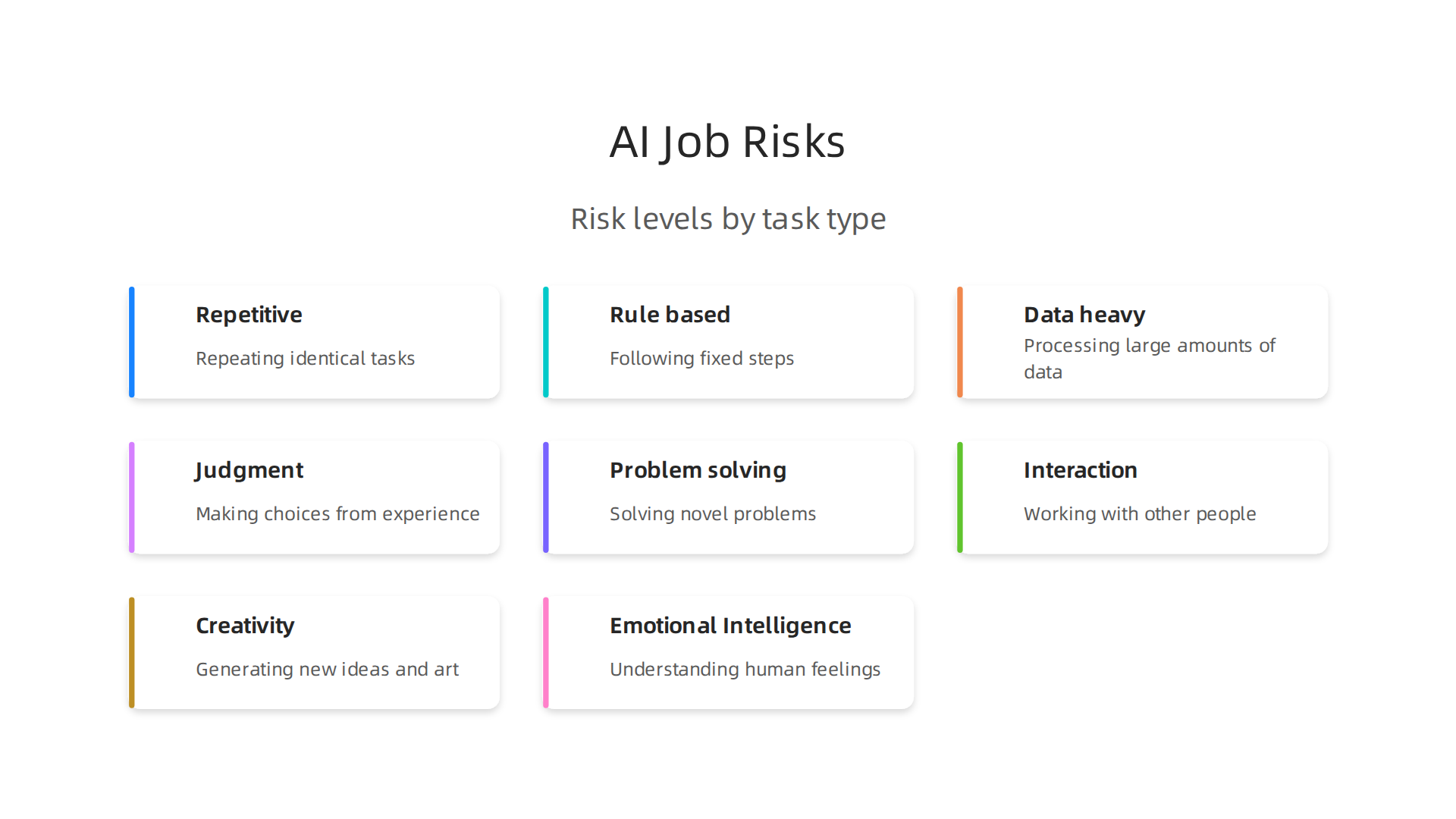
Jobs in this group usually involve many tasks that are:
- Repetitive: Doing the same thing over and over.
- Rule-based: Following clear steps with little room for new ideas.
- Data-heavy: Processing lots of information without needing deep understanding.
Examples of jobs facing high automation risk include roles like data entry clerks, certain administrative support jobs, and some customer service positions. For instance, reports indicate that data entry keyers face about a 70% automation risk, and customer service representatives around 62% Which Jobs Face Automation Risk in 2026. A wide look at job replacement statistics in 2026 shows that administrative, financial, and clerical roles can have a 70-99% replacement risk for certain tasks AI Job Replacement Statistics 2026: The Complete Data Report. These are the areas where AI can quickly handle a lot of work that used to be done by people.
Medium-Risk Occupation Categories
These jobs have a mix of tasks. Some parts are repetitive and can be automated, but a big part still needs human skills like:
- Judgment: Making choices based on experience and understanding.
- Problem-solving: Figuring out new solutions when things go wrong.
- Interaction: Working closely with other people.
Many jobs in finance, certain IT support roles, and some areas of marketing fit here. AI can help these professionals by doing the simpler, faster tasks. This frees up the human worker to focus on more complex issues, strategy, and human interactions. Studies like the AI Career Risk Index 2026 give detailed scores on how different jobs are exposed to AI, showing that many roles are not fully replaced but rather changed.
Low-Risk Occupation Categories
Jobs in this category are generally safer from full AI replacement because they need strong human-only skills. These include:
- Creativity and Originality: Making new ideas, art, or solutions that AI cannot replicate.
- Complex Physical Dexterity: Doing hands-on work in unpredictable places, like plumbing or surgery.
- Emotional Intelligence: Understanding and responding to human feelings.
- Strategic Decision-Making: Making big plans for the future that require human insight.
Think about healthcare workers like nurses and doctors, artists, teachers, and skilled tradespeople such as electricians or carpenters. Jobs that require advanced scientific thinking and invention, like an AI scientist, also fall into this category. These roles are less likely to be replaced by AI because they rely on deeply human abilities that AI cannot yet master. A study forecasting which roles are most vulnerable to AI points out that hands-on trades are less exposed The jobs most vulnerable to AI.
In short, while AI will certainly change many jobs in 2026, it is more about changing what we do and how we do it, rather than full replacement for most roles. The key for workers and businesses alike is to understand these shifts and adapt.

Which jobs will change (not disappear): augmentation, new roles, and blended work
As we have seen, the big idea for 2026 is that AI will change jobs, not erase most of them. This change is often called "augmentation." It means AI helps people do their jobs better and faster. Think of it like giving a superhero a helpful sidekick. AI takes on the dull, simple parts of a job, letting the human worker focus on more important, creative, or human-centered tasks. This reshapes job roles and creates new ways of working together.
How AI Augments Work
AI tools can do many things that used to take up a lot of a person’s time.
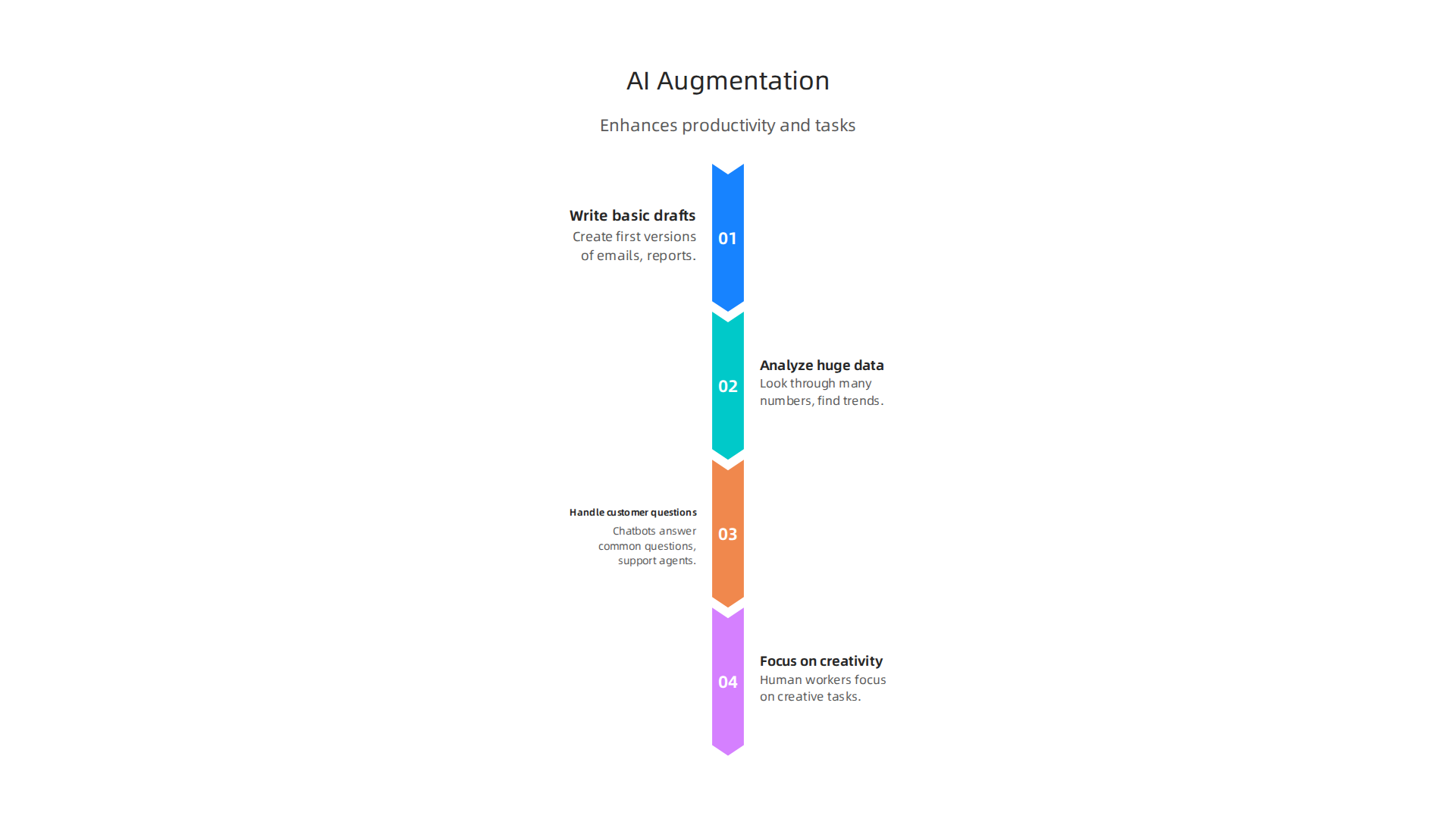
For example, AI can:
- Write basic drafts: AI can create first versions of emails, reports, or marketing materials. This saves writers and marketers time, so they can focus on making the final piece sound just right or adding creative ideas.
- Analyze huge amounts of data: For someone in finance, AI can quickly look through many numbers to find important trends. This helps the person make smarter choices, instead of spending hours just sorting through data. To learn more about how data skills are changing, check out Mastering Data Foundations and Data Literacy for AI Leadership.
- Handle customer questions: Chatbots can answer common questions, so human customer service agents can spend their time on complex problems that need a real person’s understanding.
By doing these things, AI shifts where the human worker’s energy goes. People now get to do more of the interesting work. According to a 2026 report by SHRM, AI is bringing about a big change in how tasks are done across many U.S. jobs Automation, AI, and Job Displacement Risk in U.S. Employment (2026). This means that for many jobs, AI is becoming a tool that makes people more productive, not a replacement.
New Jobs and Skills for an AI World
Because AI is changing what jobs will AI replace at the task level, new types of jobs are also popping up. These new roles often combine human skills with AI tools. Some examples include:
- AI Trainers: People who teach AI systems how to understand and respond better.
- Prompt Engineers: These are experts who know how to ask AI the right questions to get the best results.
- AI Ethicists: People who make sure AI is used in fair and safe ways.
Even existing jobs need new skills. Workers in 2026 need to learn how to use AI tools, understand how AI works (at least the basics), and focus on human skills like creativity, problem-solving, and emotional intelligence. Learning new skills is key to growing in this changing job market. If you are wondering how to prepare, there are many ways to do it, including taking new courses. To explore new career paths, you might find this guide helpful: AI jobs 2026 the skills certifications and portfolio that get you hired.
Reports like the 2026 AI Job Disruption Report highlight not just the roles that might be eliminated, but also the many new roles that are being created because of AI The 2026 AI Job Disruption Report: Which Roles Are Being Eliminated …. It’s a clear sign that while some jobs change shape, the world of work is also expanding with fresh opportunities.
To keep up with the fast pace of these changes and understand how AI is shaping our future, consider getting regular updates.
Get clear daily AI updates from The AI Newsletter Worth Reading.
Reskilling and workforce strategies: what organizations should do now
As we’ve seen, AI is changing many jobs, not just replacing them. Because of this, companies need to help their workers learn new things. This is called "reskilling." It’s about giving people the new tools and knowledge they need to work with AI.

This way, companies can keep good employees, and workers can grow in their careers.
It’s not just about asking "what jobs will AI replace?" It’s also about figuring out how to make sure people can do the jobs that will stay and the new ones that are showing up. Smart companies in 2026 are focusing on clear plans for this.
How Companies Can Help Workers Learn New Skills
For companies, investing in reskilling is very important. It means setting up helpful programs.
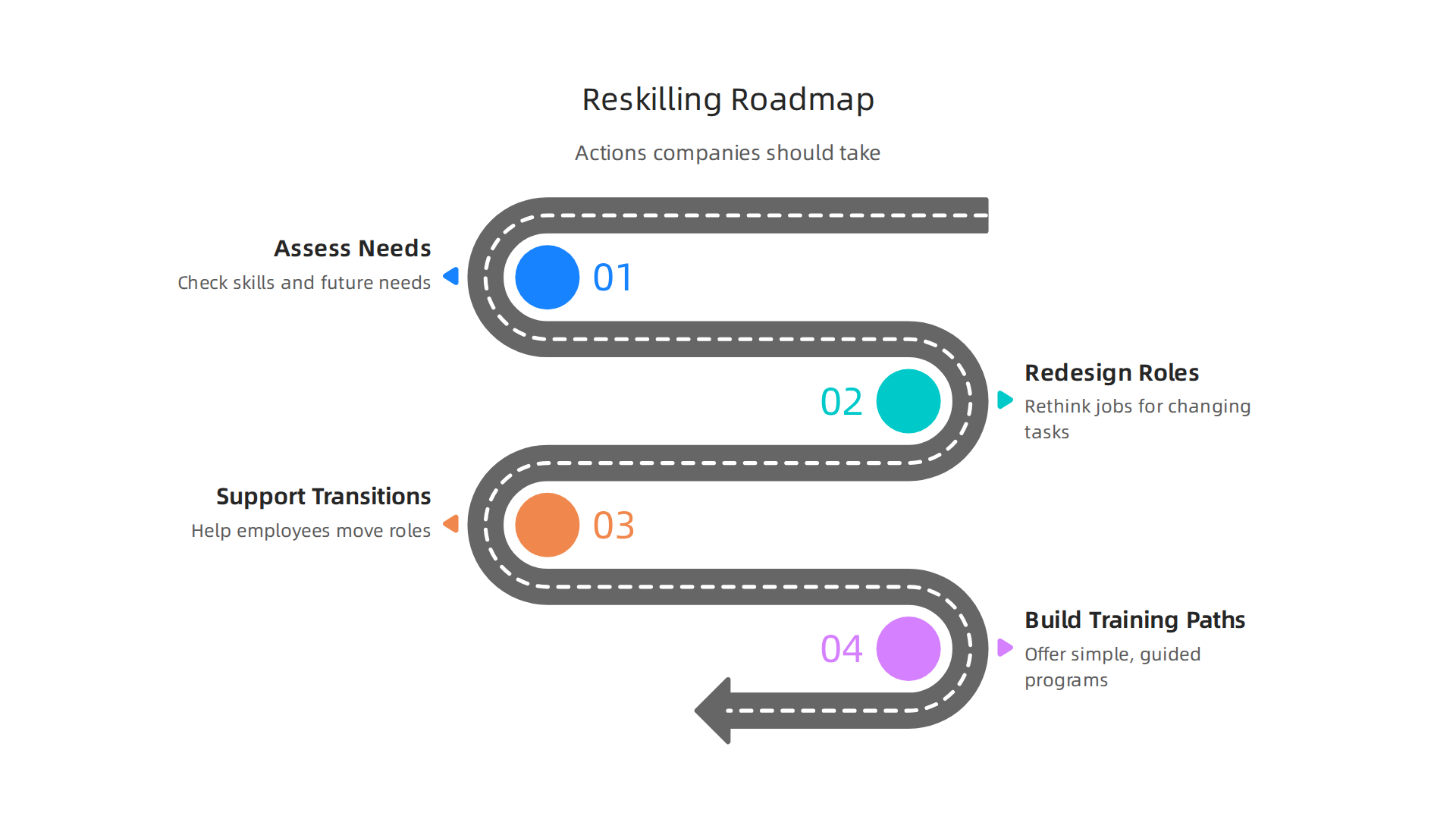
Here are some key things they should do:
- Look at current jobs and future needs: Companies should check what skills their workers have now and what skills they will need for jobs with AI. This helps them decide what training is most important. For example, they might need more people who understand data or how to work with AI tools. You can find strategies for preparing your team in reports on AI Reskilling Strategies: Preparing Your Workforce for Transformation.
- Change job roles: Some jobs might need to be thought about in a new way. Instead of a person doing all the old tasks, some tasks might go to AI. The person then learns new, more advanced tasks that need human thinking. This "role redesign" means jobs become more about working with AI.
- Help people move to new roles: When a job changes a lot, a company can help an employee move to a different role inside the company. This is called internal mobility. For example, if a company uses AI to handle simple customer questions, the customer service agent might learn new skills to become an "AI-assisted support engineer." This new role focuses on solving harder problems and managing the AI tools. Big companies like JPMorgan have already shown how they help workers move into new roles after AI changes things JPMorgan Displaced Workers with AI — Then Redeployed Them … – OVI.
- Create clear training paths: Companies should offer simple, easy-to-follow training programs. These might include online courses, workshops, or hands-on practice with AI tools. AI itself can even help with learning. AI-enhanced learning systems can make training better and show clear improvements, especially in tech-heavy areas AI in Workforce Upskilling and Reskilling: Strategic Integration of …. If you’re looking to develop new skills, choosing the right learning path is key. Find out more about how to unlock your potential with resources like Unlock your AI potential choosing the right learning AI course for 2026.
Measuring if Reskilling Works
It’s not enough to just offer training. Companies need to know if it’s actually helping. They should look at things beyond just how many people finished a course. Good ways to measure success include:
- New skills gained: Are workers actually learning the new skills? This can be checked with tests before and after training.
- Better performance at work: Are employees doing their jobs better or faster after training?
- Happier workers: Do workers feel more confident and ready for the future?
Measuring how well reskilling programs work needs more than just checking who completed them. It’s about seeing the real impact on skills and business results Success Metrics for AI Reskilling Programs: Beyond Completion Rates. Companies need to look at how these programs truly bridge any skill gaps and prepare their teams for an AI-powered future.
As companies work to help their employees learn new skills for an AI world, it’s also really important to think about the fair and right way to use AI. Especially when AI touches jobs, we need to be careful about ethics, bias, and who is responsible for how AI acts. It’s not just about what jobs will AI replace, but how those changes happen fairly.
Key Ethical Worries When AI Affects Jobs
Using AI in hiring, managing workers, or even deciding what jobs will AI replace, brings up some big questions.
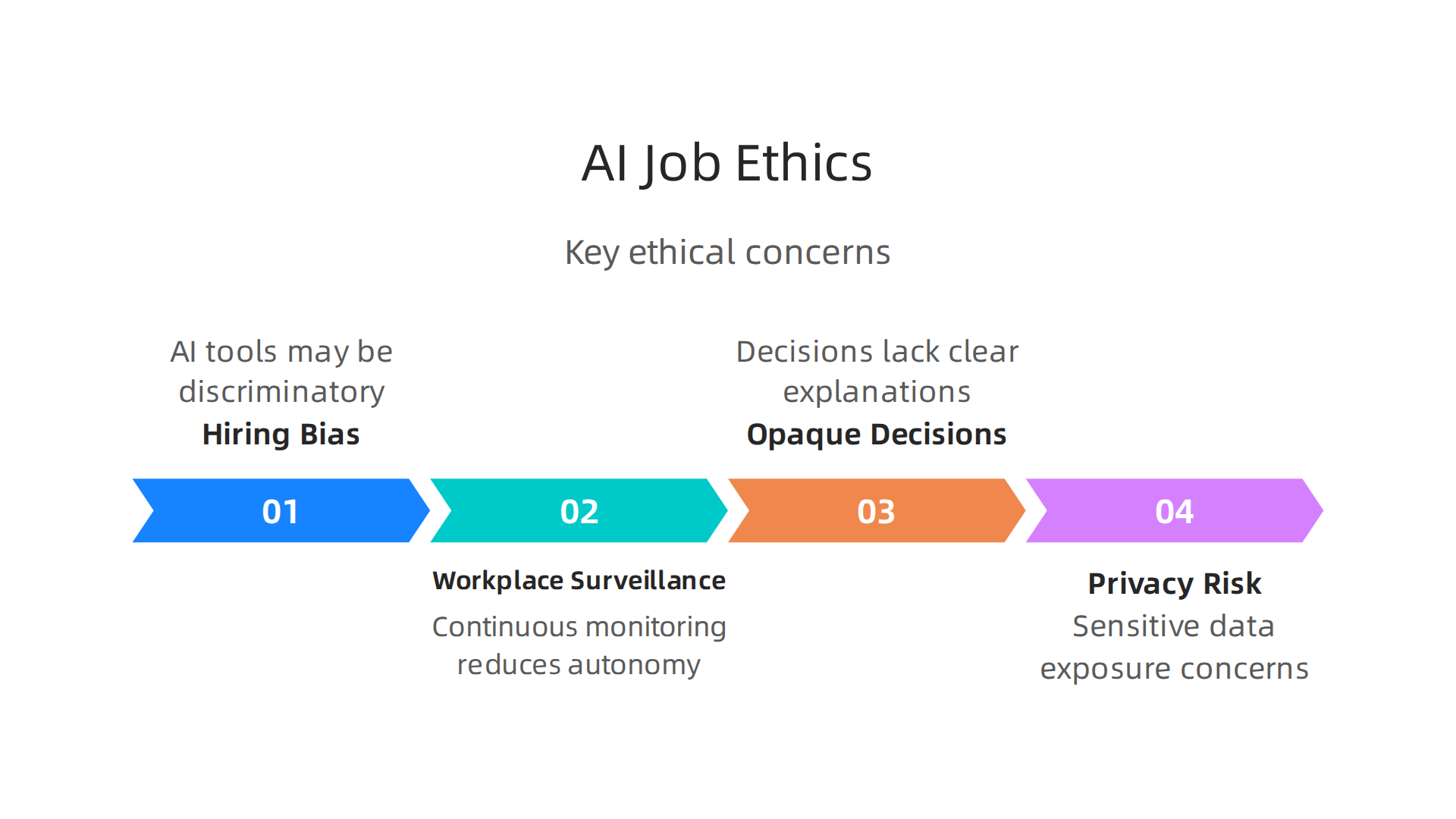
If we don’t think about these things, AI could cause harm.
- Unfairness in Hiring and Judging Workers: Imagine an AI helping to pick who gets a job. Sometimes, these AI tools can accidentally be unfair. They might learn from old information that had biases in it. This can lead to the AI not picking certain groups of people, like those from different backgrounds or genders, even if they are very qualified. Studies show that AI hiring tools can lead to racial bias and systemic rejection for candidates. Also, people who review applications can sometimes reflect the biases of AI systems, making the problem even bigger, as some research indicates that people mirror AI systems’ hiring biases. This means if the AI is biased, humans working with it might become biased too.
- Watching Workers and Privacy: AI can also be used to keep an eye on how people work. While this might sound helpful for some things, it can also feel like a lack of privacy. Companies need to think about how much they are watching and make sure it’s fair and not too much. Your personal information should stay private.
- Decisions That Are Hard to Understand: Sometimes, AI makes decisions in a way that is like a "black box." This means it’s hard to see how the AI came up with its answer. If an AI decides who gets a promotion or why someone didn’t get a job, people have a right to understand why. If the process is not clear, it can feel very unfair and confusing, especially when people’s livelihoods are at stake.
How Companies Can Be More Responsible
For AI to truly help us without causing harm, especially in workplaces, companies need to set up clear rules and good ways of working. This isn’t about saying "ai is bad," but about using it wisely.
- Rules for Using AI: Companies should have clear rules about how AI is used, especially in hiring and managing people. These rules should help make sure AI is fair and doesn’t cause harm. Learning about how to manage AI well is key. You can find more information in resources like The leaders playbook for AI governance in 2026.
- Checking AI for Bias: Before using an AI tool, especially for jobs, companies should test it to make sure it’s not unfair. They should also keep checking it often.
- Human Oversight: Always have real people involved in important decisions, even if AI helps. A human should always have the final say and understand what the AI is suggesting. This helps catch any problems the AI might miss.
- Be Clear and Open: Companies should tell their workers and job seekers when AI is being used in a decision-making process. They should also try to explain how the AI works in a way that everyone can understand.
By thinking about these ethical points and putting good practices in place, companies can make sure AI helps everyone in the workplace in a fair and responsible way.
Want to stay up-to-date on the latest in AI, including how to use it responsibly? Get clear daily AI updates from The Deep View Newsletter.
As companies learn to use AI fairly, we also need to look at how AI changes our whole economy and society. This means thinking about money, chances for jobs, and how our leaders can help everyone during these big changes. It’s not just about if what jobs will AI replace, but also how these changes affect people’s lives and their wallets.
How AI Changes Money and Opportunities for Everyone
When AI takes over some tasks, it can change how money and job chances are spread out. Some people might get more opportunities, while others might find things harder.
- Changes in Jobs and Income: AI can make some jobs go away, but it also creates new ones. For example, some reports in 2026 show that a small part of workers, maybe 6% to 7%, might lose their jobs during the shift to widespread AI use over the next decade. At the same time, jobs requiring AI-related skills are growing in some areas, but in others, they are seeing lower employment levels, meaning fewer people are hired for those roles. It is clear that the impact of AI on jobs is turning "modestly negative" in 2026, which is a change from what we saw in 2025 according to a report on The AI and labor landscape 2026. This means we need to think about how to help people move into new kinds of work.
- Different Impacts on Different People: AI might not affect everyone in the same way. Some people, especially those with higher skills or in certain types of jobs, might see their work get easier and more productive. For example, less experienced workers in jobs like lawyers or software engineers might see a big boost in how much they can get done. But for others, especially those in poorer countries or with fewer digital skills, AI might not help them as much. This can make the gap between rich and poor nations wider, as discussed in a report on Inequalities in Use of and Exposure to Artificial Intelligence. In fact, studies suggest that AI investments can lead to higher incomes for the wealthiest families, while others might see their share of income go down, pointing to Artificial intelligence, services globalisation and income inequality.
- More Productivity for Businesses: AI is also helping businesses make more things and do them faster. This means companies can make more money. In 2026, some experts expect AI to help businesses increase how much they produce by a good amount, leading to more growth for the economy, especially for the companies that use AI. This boost is known as AI’s Impact on the U.S. Economy 2026.
How Leaders Can Help Manage These Changes
To make sure AI helps everyone and doesn’t leave too many people behind, governments and leaders are looking at different ways to help. These are called "policy levers."
- Better Education and Training: One big idea is to help people learn new skills for the AI world. This means offering more vocational training and chances for people to keep learning new things throughout their lives. This can help workers in jobs that might be affected by AI learn skills for new roles.
- Looking at Taxes and Money Support: Leaders are also thinking about how tax rules might need to change. They might also look at things like "universal basic income" or "universal basic services" to make sure everyone has enough to live on, even if their job changes because of AI.
- Clear Rules and Guidelines: Just like we talked about with ethics, having clear rules for how AI is used in the wider economy is important. This can help prevent unfairness and make sure AI is used for good.
Thinking about these economic and social impacts helps us understand the bigger picture of AI. It shows that AI is more than just technology; it is changing how society works. If you want to dive deeper into how AI is transforming society, you can read more about The Societal Implications of AI Reshaping Our World Now. By working together, leaders, businesses, and people can try to make sure AI creates a better future for all.
To truly make sure AI creates a better future for all, leaders and professionals need clear plans. It’s about taking steps today, tomorrow, and well into the future. Here is a simple guide for different roles to help manage the big changes AI brings.
Action plan for leaders and professionals: short-, medium-, and long-term steps
For Executives and Business Leaders
Short-Term (Now to 6 Months)
- Understand AI: Learn what AI can and cannot do for your business. Think about how it might change your company.
- Set Clear Goals: Decide what you want AI to help you achieve. Is it to save money, make new products, or help employees?
- Start Small: Pick one or two small projects to try out AI. See what works best. Look at successful early tests to know what is delivering value, as some experts suggest for a Mid-Year AI Reality Check.
Medium-Term (6 Months to 2 Years)
- Invest More: If small projects work, put more money into AI tools and training.
- Build an AI Culture: Encourage everyone in your company to learn about and use AI.
- Measure Success: Track how AI helps your business grow and reach its goals. For more on how to run these projects and check if they are working, you can learn about Ops Technology for AI Professionals Pilot and Measure Success.
Long-Term (2+ Years)
- Lead the Way: Help set new rules and ways of doing things in your industry for AI.
- Keep Innovating: Always look for new ways AI can help your company stay ahead.
- Plan for the Future: Think about how AI will keep changing your business for many years.
For HR Leaders
Short-Term (Now to 6 Months)
- Find Skill Gaps: Figure out what jobs AI might replace or change in your company. Understand what new skills employees will need.
- Talk to Employees: Share information about AI and how it will affect their jobs. Help them feel ready for changes.
- Start Basic Training: Offer simple courses to help employees learn about AI. Experts say it’s key to define AI-critical skills for different jobs.
Medium-Term (6 Months to 2 Years)
- Create Training Programs: Develop full programs to teach new skills (reskilling) or improve old ones (upskilling).
- Check Program Success: Don’t just look at who finishes training. See if employees are actually using their new skills at work and if it helps the company. This means tracking success beyond just completion rates, as outlined in guides for How to Evaluate Reskilling Program Effectiveness Globally.
- Help Employees Move: If some jobs go away, help those employees find new roles within the company.
Long-Term (2+ Years)
- Continuous Learning: Set up ways for employees to always be learning new things about AI.
- Shape the Workforce: Think about how your company’s workforce will look in the future because of AI.
- Build an Agile Team: Create a team that can quickly adapt to new AI changes.
For Product Managers
Short-Term (Now to 6 Months)
- Explore AI Tools: Look at different AI tools that could make your products better.
- Gather Ideas: Talk to customers and your team about how AI could improve what you offer.
- Small AI Features: Try adding simple AI features to your products and see how people like them.
Medium-Term (6 Months to 2 Years)
- Design with AI: Make new products that use AI at their core.
- User Acceptance: Think about how users will accept and use AI in your products. This is part of the "technology acceptance model."
- Test and Learn: Keep testing your AI products and make them better based on what users say.
Long-Term (2+ Years)
- AI Innovation: Lead the way in creating totally new products using advanced AI.
- Ethical AI: Make sure your AI products are fair and safe for everyone to use.
- Stay Updated: Always know about the latest AI breakthroughs to keep your products current.
For Individual Professionals
Short-Term (Now to 6 Months)
- Learn the Basics: Read articles and watch videos about AI. Understand what it is and how it works.
- Find Your Gaps: Think about your current job. What skills will you need if AI changes things? What jobs will AI replace that are similar to yours?
- Use AI Tools: Try out simple AI tools in your daily work, like smart assistants or writing aids.
Medium-Term (6 Months to 2 Years)
- Take a Course: Sign up for an online course to learn new AI skills. Finding the right learning path is crucial to Unlock Your AI Potential.
- Apply New Skills: Look for ways to use your new AI skills in your current job.
- Network: Talk to others who are using AI in their work.
Long-Term (2+ Years)
- Become an Expert: Aim to become a go-to person for AI in your field, perhaps even an AI scientist in some areas.
- Mentor Others: Share what you know about AI with colleagues.
- Keep Growing: AI will keep changing, so always be ready to learn new things.
No matter your role, staying informed is key to navigating the fast-changing world of AI.
To make sure you don’t miss any important AI news and insights, you need a reliable source. The AI Newsletter Worth Reading delivers clear daily AI updates to your inbox.
Summary
This article explains what AI is actually doing to work in 2026 and gives a practical, evidence-based guide to who is at risk and what to do about it. Rather than sensational claims that whole occupations will vanish, the piece shows that AI mostly changes tasks inside jobs—reshaping about half of U.S. jobs while only a small share face total displacement—and it groups occupations into high, medium, and low automation risk based on task types. You’ll learn concrete examples of high-risk roles (e.g., data entry, routine customer support), how AI augments work (drafting, analysis, triage), and the new job types and skills that are emerging. The article lays out how companies should run reskilling programs, measure success, and redesign roles, while highlighting key ethical concerns like bias, surveillance, and transparency. It also summarizes broader economic impacts and gives a clear short-, medium-, and long-term action plan tailored to executives, HR, product managers, and individual professionals. After reading, you’ll be able to assess risk in your role or organization and follow practical steps to adapt responsibly to AI-driven change.