

Why enterprise AI platforms matter now and what leaders must know
Today in 2026, artificial intelligence is moving faster than ever before. Businesses everywhere are looking for ways to use AI to get ahead. In fact, many companies have already started. About 72% of big companies currently use at least one AI system in their work processes 1. This push means that businesses are spending a lot too, with global spending on enterprise AI reaching an estimated 247 billion dollars this year 2.
With so many new AI tools constantly appearing, choosing the right highlevel ai platform is a huge decision. It’s not just about picking software; it affects your whole business plan, how much money you spend, and what risks you take on. A good choice can help your business grow, while a bad one can waste time and resources.
One big problem leaders face is figuring out what’s real and what’s just hype. Many companies invest a lot in new AI tools. A survey from 2026 found that 59% of companies are spending at least $1 million a year on AI, but only 29% are seeing big benefits from it 3. This shows there’s often a gap between what vendors promise and what businesses actually need. Leaders need to know if these numerous ai solutions will truly fit their company’s unique needs and work well with their current systems. Without careful thought, it’s easy to get lost in all the choices and not get the results you expect.
Understanding these challenges is key to making smart decisions. To help navigate this quickly changing world, it’s important to have a clear guide for planning and running these powerful systems. You can learn more about this in The leaders guide to building and operating enterprise AI systems.
Staying updated on true AI breakthroughs and understanding how they fit into your business can be tough. If you want clear, daily updates on AI and technology that cut through the noise, consider subscribing to The AI Newsletter Worth Reading.
The enterprise AI platform landscape: categories and who does what
Now that we know why enterprise AI platforms are important, let’s look at the different kinds available today. Choosing the right highlevel ai platform for your business in 2026 means knowing what each type does and who offers them. The market for these platforms is growing fast, expected to reach over $50 billion by 2030, showing just how much companies need these tools The Enterprise AI Platform Market Will Surpass $50 Billion.
We can put enterprise AI platforms into four main groups:
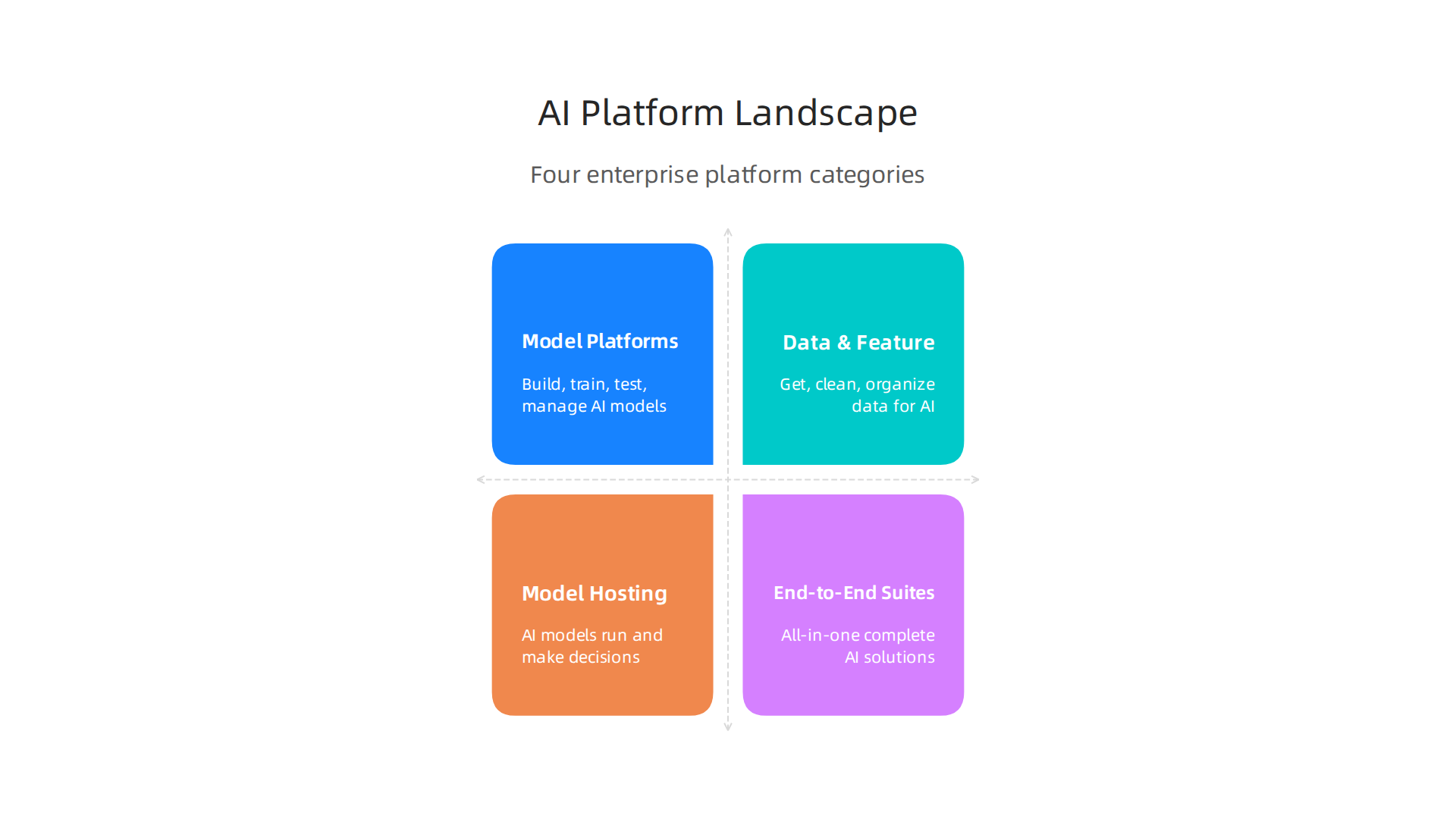
1. Model Platforms (MLOps)
These platforms are like a workshop for your AI models. They help you build, train, test, and manage all your AI models from start to finish. Think of it as a control center where data scientists and engineers make sure AI models work well and keep getting better. These are key for developing new AI tools and making sure they run smoothly.
2. Data and Feature Platforms
AI is only as good as the data it uses. These platforms help you get, clean, and organize all your data. They make sure the data is ready for AI to learn from. This often involves powerful ai for data analysis tools to find patterns and create "features" or important pieces of information that AI models can easily understand. Having clean, ready data is a big step in getting good results from your AI. If you want to dive deeper into how data powers AI, check out data 101 core data fundamentals for AI professionals.
3. Model Hosting and Inference Platforms
Once an AI model is built and ready, it needs a place to live and do its job. These platforms are where your AI models actually run and make decisions or give predictions in the real world. This is called "inference." For example, if you have an AI that recommends products, this platform would host that AI so it can suggest things to customers when they shop online. These are crucial for putting new AI tools into action for your business.
4. End-to-End Vendor Suites
These are all-in-one solutions that combine many or all the features mentioned above. They aim to provide a complete package for businesses to manage their AI projects. These suites can be very convenient, offering numerous AI tools under one roof. They are often chosen by companies looking for a simpler way to start or scale their AI efforts without having to piece together different systems. For a detailed look at what to consider, take a look at a 2026 Corporate Buyers’ Guide to Enterprise AI Platforms.
Who Provides These AI Platforms?
The companies that offer these highlevel ai platforms can also be grouped into different types:
- Cloud Hyperscalers: These are the big cloud service providers like Amazon Web Services (AWS), Google Cloud, and Microsoft Azure. They offer a huge range of AI services, from ready-to-use AI tools to powerful computing resources for building your own models. They have a strong presence, with many companies relying on their infrastructure for AI adoption in 2026 Enterprise AI in 2026: A practical guide for Microsoft customers.
- Specialized Platform Vendors: These companies focus on specific parts of the AI journey. For example, some might only offer tools for MLOps, while others specialize in data management for AI. They often provide deep expertise in their chosen area.
- Open-Source Stacks: These are collections of AI tools and frameworks that are free to use and can be changed by anyone. They offer a lot of flexibility and are often supported by large communities of developers. Tools like TensorFlow and PyTorch fall into this category, allowing companies to build custom solutions with a lot of control.
- Boutique Integrators: These are smaller companies or consultants that help businesses put together and customize AI solutions using different platforms and tools. They often help tailor an AI strategy to a company’s unique needs, especially when dealing with complex or specific industry challenges.
Understanding this landscape helps leaders make better decisions when choosing which new AI tools will truly help their business grow and succeed in 2026.
The previous section talked about the different kinds of enterprise AI platforms and who makes them. But just knowing what’s out there isn’t enough. When a business chooses a highlevel ai platform, it needs to think about much more than just its features. It also needs to consider how the platform will work in the real world, especially regarding important things like security and how much it can grow.
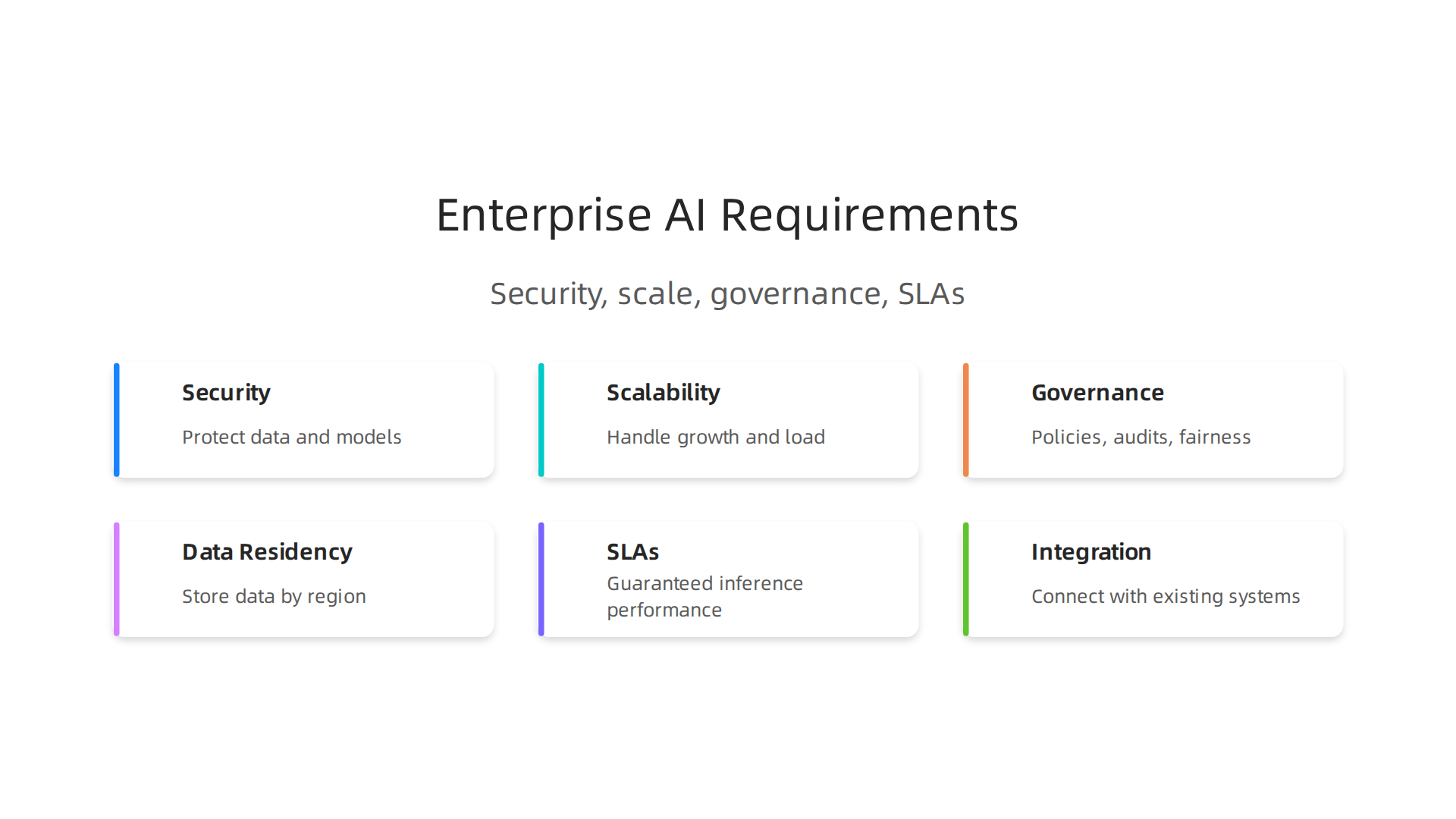
These are often called "non-functional requirements" and they really drive which platform a company buys in 2026.
Keeping AI Safe and Secure
Security is super important for any enterprise AI. You wouldn’t want your private business data or customer information to be at risk. AI platforms need strong security to protect all the data they use and create. This means having good controls over who can access what and making sure the AI models themselves are safe from attacks or misuse. Many governments are releasing guides to help companies keep their AI secure Microsoft Guide for Securing the AI-Powered Enterprise.
Growing with Your Business (Scale)
A good enterprise AI platform must be able to handle more work as your business grows. This is especially true for "inference workloads," which is when AI models make predictions or decisions. In 2026, many companies are looking for AI that can work fast and serve many users at once. This means the platform needs to scale up easily. You want a platform that can run your numerous ai models without slowing down, even during busy times. Experts agree that scalable AI infrastructure is key for operating trained models in production across many users and locations Infrastructure Options for Scalable AI Inference.
Rules and Oversight (Governance)
AI governance is about making sure AI systems are used in a fair, safe, and responsible way. It involves setting up policies and rules for how AI is developed, deployed, and managed. For businesses, this means clear guidelines on data usage, ethical considerations, and how decisions made by AI are explained. It’s a system of policies and controls that ensures AI systems work well and ethically Mastering Enterprise AI Governance: Your Essential Guide. Good governance also helps manage risks, like potential biases in ai for data analysis or other new ai tools. If you want to understand more about setting up these guidelines, consider checking out The Leaders’ Playbook for AI Governance in 2026.
Where Your Data Lives (Data Residency) and Following Laws (Compliance)
Businesses often have to follow strict rules about where their data is stored, known as data residency. This is especially true for companies that work across different countries. An enterprise AI platform needs to be able to keep data in specific regions to meet these legal requirements. For instance, European laws might require data to stay in Europe. Companies also need to make sure their AI solutions follow all industry-specific rules and privacy laws, such as those related to healthcare or finance. Complying with rules like the EU AI Act is a big deal for regulated industries in 2026 AI Governance Solutions for Regulated Industries: Top 10 ….
Guaranteed Performance (SLAs for Inference Workloads)
When an AI system is critical for a business, companies need to know it will perform reliably. This is where Service Level Agreements (SLAs) come in. An SLA is like a promise from the platform provider about how well their AI service will work. For AI inference, an SLA might promise how fast the AI will give a response or how often it will be available. For example, in 2026, AI inference is scaling into important production roles, so businesses need to know their AI will deliver on time, every time AI Inference Scales into Production in 2026. Without good SLAs, a business could face big problems if their highlevel ai systems fail or slow down.
Connecting Everything (Integration)
Finally, any new AI platform needs to connect smoothly with a company’s existing computer systems and workflows. It shouldn’t be a standalone island. Easy integration means the numerous ai tools and data sources you already use can work together with the new AI platform. This is key to getting the most value from your investment and avoiding headaches.
Choosing an enterprise AI platform means looking beyond the cool new ai tools and focusing on these fundamental requirements. They are the backbone that ensures your AI efforts are secure, scalable, responsible, and truly integrated into your business operations.
Get clear daily AI updates from The AI Newsletter Worth Reading.
Choosing a good highlevel ai platform is like picking the right tools for a big construction project. You need to know not just what the building will look like from the outside, but also how it’s built from the inside.

This means understanding the different parts, or "components," that make up a strong enterprise AI system. In 2026, these parts work together to handle all the complex tasks an AI does.
The Inner Workings of a High-Level AI Platform
A typical highlevel ai platform has several key parts that work together smoothly. Think of it like a factory line where each step is important for the final product. Here’s a look at these core parts:
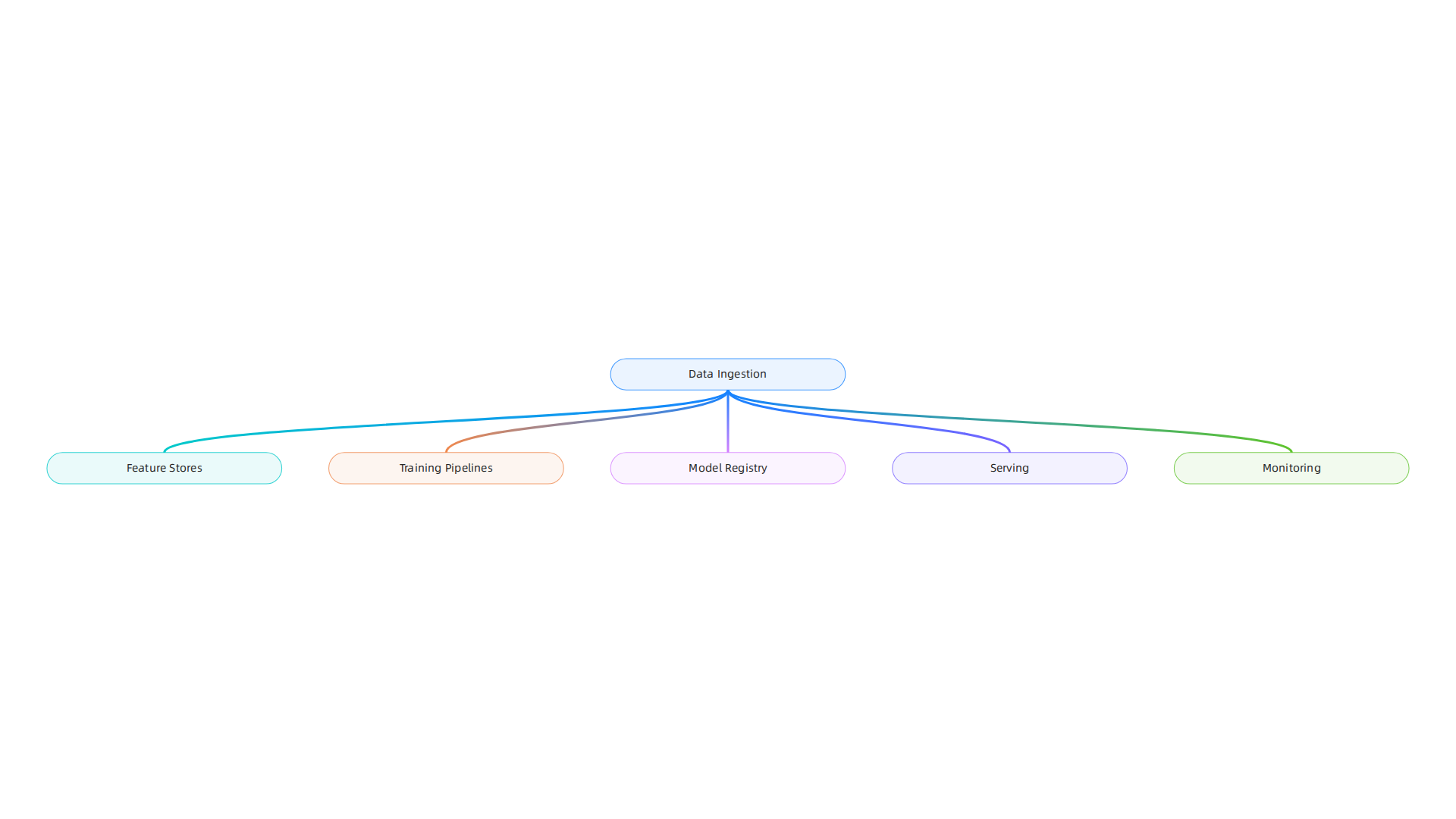
- Data Ingestion: This is the first step, where all the raw information gets pulled into the AI system. It’s like gathering all the ingredients before you start cooking. Data can come from many places, such as databases, live feeds, or documents. Without good data ingestion, your AI won’t have anything to learn from.
- Feature Stores: After data is brought in, it often needs to be cleaned and prepared. A feature store is where these "features" or processed pieces of data are kept. They are made ready for AI models to use for training or making predictions. This helps ensure that
ai for data analysisuses consistent, high-quality information. In fact, a feature store is a special system that manages, stores, and gives features to machine learning models, acting as a central place for them. Experts highlight that a feature store integrates with data pipelines for both real-time and batch serving, ensuring consistent features across various stages What Is a Feature Store?. - Training Pipelines: This is where the AI models actually learn. It’s like a special school for your AI. These pipelines take the prepared data from the feature store and use it to train the AI model. They help automate the steps needed to build, test, and update models. Sometimes, powerful tools like
spark aiare used here to handle very large amounts of data for trainingnumerous aimodels. A well-designed system for machine learning operations, or MLOps, covers the entire process, from raw data to finished predictions MLOps System Design: Reference Architecture for 2026. - Model Registry: Once an AI model is trained, it needs a safe place to live. A model registry is like a library for all your trained AI models. It keeps track of different versions of models, their performance, and other important details. This way, you always know which model is which and how well each one works. This is key for managing your
new ai toolseffectively. A good reference architecture uses a model registry, like MLflow Model Registry, to track different versions of models and their metrics AI Platform Engineering Reference Architecture. - Serving: This is when the trained AI model is put to work. It takes new data and makes predictions or decisions in real time. For example, if it’s an AI that recommends products, this is when it tells a customer what to buy. Making sure this process is fast and reliable is crucial, especially when businesses rely on these predictions for important tasks. The ability to deploy and run AI models in production environments that can dynamically adjust to demand is known as scalable AI inference for enterprises The Best Scalable Inference Solutions for Enterprises of 2026.
- Monitoring: Even after an AI model is working, you need to keep an eye on it. Monitoring involves watching the AI’s performance, checking for errors, and making sure it continues to provide good results. If something goes wrong, like the AI starts giving bad predictions, monitoring helps you find out quickly so you can fix it. This is a crucial part of keeping your AI systems healthy.
Managed Services Versus Self-Hosted
When setting up these AI components, businesses often choose between "managed services" or "self-hosted" options.
- Managed Services: This means a company like a cloud provider (Amazon, Google, Microsoft) takes care of many of these AI parts for you. You use their tools and services, and they handle the complicated setup and upkeep. This can be easier and faster to get started, especially for
new ai tools. - Self-Hosted Components: This means your business builds and manages all these parts yourself on your own computers or servers. It gives you more control, but it also means more work and specialized skills are needed.
Many businesses in 2026 use a mix of both. They might use managed services for common tasks, while keeping very special or sensitive parts of their highlevel ai systems in-house. This way, they can balance ease of use with the need for specific control and customization. To learn more about how all these pieces fit into a bigger picture, you can read about the leaders’ guide to building and operating enterprise AI systems.
After understanding the inner parts of a highlevel AI platform and deciding between managed or self-hosted options, the next big step is to pick the right vendor. This choice is super important because it affects how well your AI works and how much it costs. In 2026, many companies offer numerous AI tools, so knowing how to evaluate them helps you avoid problems later on.
How to evaluate vendors: checklist and red flags
Choosing a vendor for your highlevel AI platform is like hiring a key team member. You need to check their skills, how they work, and if they fit with your goals. Here’s a simple checklist to help you choose wisely:
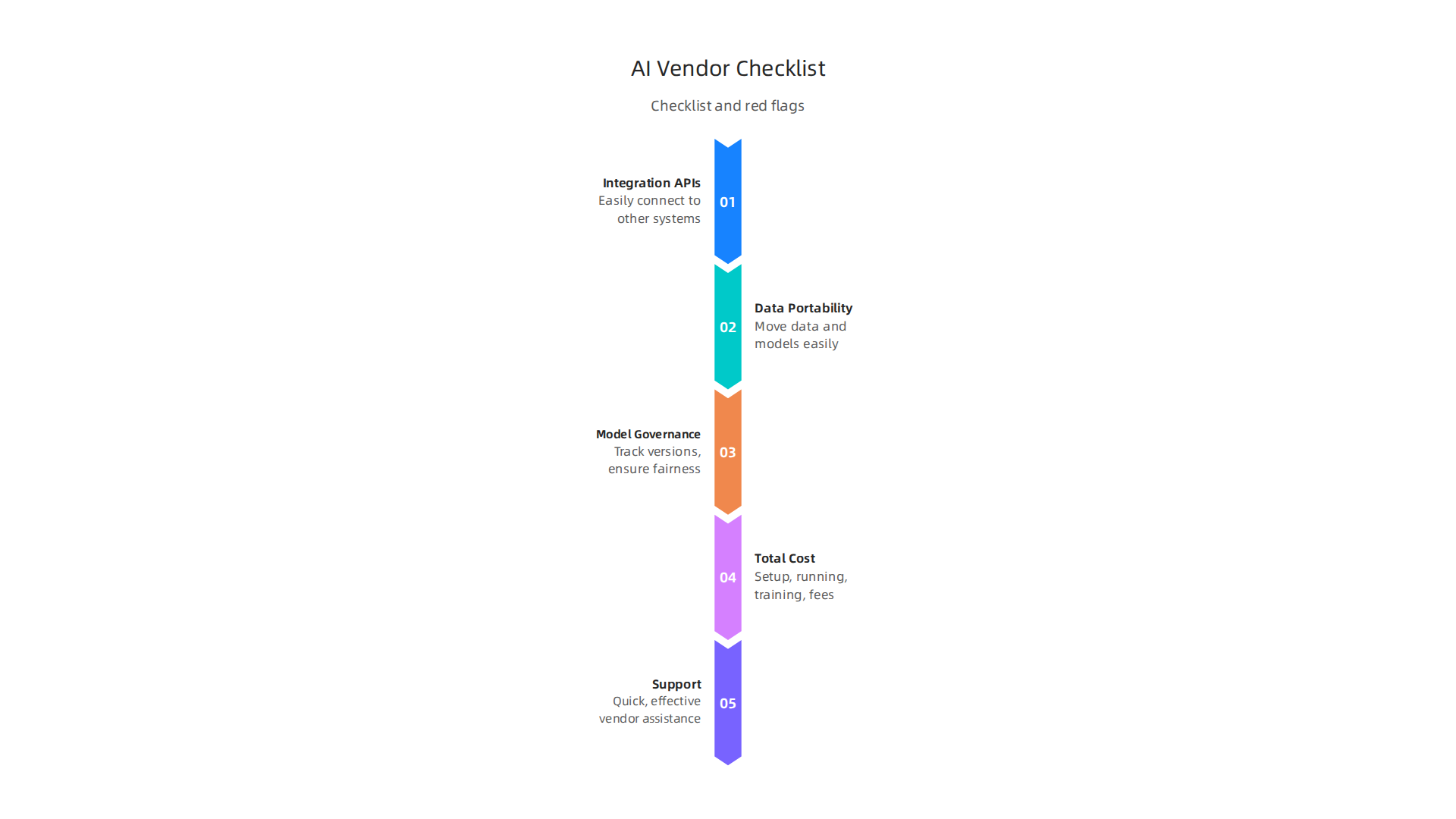
- How easily does it connect? Look for strong "Integration APIs." These are like special plugs that let the AI platform talk to your other business systems easily. You want new AI tools that can work well with what you already have.
- Can you move your data? Think about "Data Portability." If you ever want to switch vendors or bring some parts in-house, can you easily take your data and models with you? You don’t want to be stuck.
- How are models managed? Ask about "Model Governance." This means how they keep track of different versions of your AI models, how they ensure models are fair, and if they have a plan for "rolling back" to an older, working model if a new one causes trouble. Good governance is key for reliable AI for data analysis.
- What’s the full cost? Don’t just look at the price tag. Consider the "Total Cost." This includes setting it up, keeping it running, training your team, and any extra fees. Sometimes a cheaper option upfront can cost more later. A complete guide to enterprise AI platforms also points out the importance of pricing transparency and data security when making purchasing decisions The 2026 Corporate Buyers’ Guide to Enterprise AI Platforms.
- What kind of help can you get? Good "Support" is vital. If something breaks or you have questions, how quickly and well does the vendor help you? This can save a lot of headaches.
Watch Out for These Red Flags
When looking at different highlevel AI vendors, some signs should make you careful:
- Hidden Prices: If a vendor’s pricing is "opaque," meaning it’s hard to understand or has many hidden fees, that’s a red flag. You need to know exactly what you’re paying for.
- Doesn’t Work Well with Others: If a platform has "limited interoperability," it means it struggles to connect with other software you use. This can make your work much harder.
- No Rules Support: Every business has rules and laws it must follow, called "compliance regimes." If a vendor’s platform doesn’t support these rules, it could lead to big problems. Key evaluation criteria for AI systems include governance and data sovereignty to meet regulatory needs Enterprise AI Assistant Buyer’s Guide: Key Evaluation ….
- Trains on Your Data Without Asking: Be very careful if a vendor plans to use your company’s data to train their own AI without clear permission. Your data is valuable and private.
By keeping this checklist and these red flags in mind, you’ll be much better prepared to pick the right highlevel AI platform for your business. It’s an important decision that shapes your AI future. For more insights on selecting the best options, consider exploring a guide to picking the right top AI platforms for business growth in 2026.
Staying up to date with the fast-moving world of AI is crucial for making smart choices.
Get clear daily AI updates from The AI Newsletter Worth Reading.
After you pick the best highlevel AI platform, the next big step is to actually put it to work. This means moving your AI projects from a small test (Proof of Concept, or PoC) to a full, working system that your business uses every day. This shift from testing to "production" is a big one. It involves choosing where your AI will live, how it will be updated, and how you will keep it running smoothly.
Integration, deployment, and operating models: from PoC to production
Getting your AI models ready for prime time requires careful planning. You need to think about where your AI systems will run, how you’ll handle updates, and what to do if something goes wrong.
Where Will Your AI Live? Deployment Models
When you move your AI from a test phase to daily use, you need to decide its home. There are a few main choices for how to "deploy" or set up your highlevel AI platform:
- Cloud Deployment: This is like renting space on the internet. Your AI models run on big computers managed by companies like Amazon, Google, or Microsoft. It’s flexible and you only pay for what you use. This is a common choice for many businesses in 2026 because it lets them scale up easily.
- On-Premise Deployment: This means your AI runs on your own computers and servers, right in your office or data center. It gives you more control over security and data, which can be important for sensitive information. However, it also means you are responsible for all the setup and upkeep.
- Hybrid Deployment: This mixes cloud and on-premise. You might keep sensitive data or core AI parts on your own servers while using the cloud for other tasks. This gives a balance of control and flexibility.
The architecture of your enterprise AI platform, no matter where it lives, needs a strong design for its data, computing power, and model management to work well Enterprise AI Platform Architecture: Components, …. Getting AI into production often means running it at a large scale, especially for important business tasks AI Inference Scales into Production in 2026.
Building and Updating AI Models: MLOps and CI/CD
Just like regular computer programs, AI models need to be built, tested, and updated often. This process for machine learning models is called MLOps (Machine Learning Operations). A key part of MLOps is using CI/CD, which stands for Continuous Integration and Continuous Deployment.
CI/CD helps teams:
- Build Faster: It automatically combines new code changes with existing ones.
- Test Often: It runs tests to make sure new changes don’t break anything.
- Deploy Smoothly: It helps put new or updated AI models into action without problems.
Good MLOps practices, including version control for data, code, and models, are vital for scaling ML deployment in 2026 MLOps in 2026: Best Practices for Scalable ML Deployment. This helps you manage numerous AI tasks and ensures your ai for data analysis keeps getting better. A robust MLOps system design includes core components and monitoring strategies to manage the entire lifecycle of an ML model MLOps System Design: Reference Architecture for 2026.
Keeping an Eye on Your AI: Observability
Once your highlevel AI platform is running, you need to know if it’s working correctly. This is called "observability." It means you can see inside your AI system to understand how it’s behaving. This includes:
- Monitoring Performance: Checking if the AI is giving answers quickly and accurately.
- Spotting Errors: Finding out if the AI is making mistakes or acting strangely.
- Tracking Data: Making sure the data flowing into and out of the AI is good.
Being able to observe your new ai tools helps you catch problems early.
Fixing Problems Fast: Runbooks and Rollbacks
Even the best systems can have problems. That’s why you need a plan for when things go wrong.
- Runbooks: These are like step-by-step guides for fixing common issues. If an alarm goes off because your AI is having trouble, a runbook tells your team exactly what to do. Good MLOps practices mean every alert should link to a clear response MLOps Pipeline Automation Best Practices in 2026.
- Rollbacks: Sometimes, a new AI model might cause unexpected problems. A "rollback" lets you quickly switch back to an older, working version of the model. This is like an undo button for your AI deployment. It helps minimize problems if a new model is faulty Automated Rollback for ML Models.
How People Work with AI: Organizational Behavior and Change Management
Bringing a highlevel AI platform into your business isn’t just about technology; it’s also about people. Your team needs to learn how to work with these new ai tools. This involves:
- Training: Teaching your employees how to use and trust the AI.
- Clear Roles: Defining who is responsible for what parts of the AI system.
- Adapting Workflows: Changing how tasks are done to make the most of AI help.
This process of helping people and teams adjust is called "change management." It ensures that everyone feels good about the new technology and knows how to use it to help the business grow. If you’re looking for broader guidance, consider checking out The Leaders Guide to Building and Operating Enterprise AI Systems.
After you put your highlevel AI platform into daily use, it’s just as important to make sure it runs safely and fairly. This means looking at all the possible bad things that could happen and putting clear rules in place to stop them. This whole system of rules and checks is called "governance." It’s a very important part of using any new AI tools in 2026.
Why AI Needs Rules: Risks and How to Stop Them
Bringing new AI tools into your business can come with some serious dangers. You need to keep your company’s good name safe and follow all the laws.
Here are some top risks to watch out for:
- Data Problems: Imagine if your AI accidentally uses wrong information or shares private details. This can really hurt trust and get your business into trouble with privacy laws.
- Unfair Decisions: AI models learn from data. If this data isn’t fair or balanced, the AI can make unfair or "biased" choices. These wrong choices could affect customers or employees badly.
- Security Gaps: Just like any computer system, AI needs strong security. If not, bad people might try to break into your AI or steal sensitive information. Experts at Microsoft say that AI actually brings brand new threats and can make existing security problems even bigger Microsoft Guide for Securing the AI-Powered Enterprise.
To handle these risks, businesses set up what’s known as "enterprise AI governance." This is a full system of rules, ways to be responsible, and technical steps to make sure all your AI systems work safely and in a way that feels right Mastering Enterprise AI Governance: Your Essential Guide. In 2026, it’s not just a nice extra thing to have; it’s a must-have for any company using numerous AI systems.
Practical Ways to Control Your AI
Good governance means putting helpful controls in place. These controls help keep your AI dependable and safe.
-
Who Can Do What: Role-Based Access
Think of this like giving different keys to different people for a house. Not everyone needs to get into or change every part of the AI system. "Role-based access" means only certain people are allowed to see or use specific parts of your highlevel AI platform. This is vital for security and making sure only authorized folks work with important AI data or models. Even government standards often require this kind of access control for security Security considerations for AI implementations in GovCon. -
Keeping Track: Audit Trails
An "audit trail" is like a super detailed diary. It writes down who did what, when they did it, and where in your AI system. If something goes wrong, or if you need to show you followed all the rules, this diary helps you trace every single step. It’s how you prove your AI systems are being used correctly and responsibly. -
Knowing the Story: Model Provenance
"Model provenance" means knowing the full history of your AI models. This includes where the data came from, how it was changed, and how the model was built and trained. If your AI for data analysis makes a decision, you should be able to look back and understand why. This helps a lot when you need to fix problems or follow rules. For example, the CISA group suggests checking where datasets come from and using special digital tags to track data’s origin CISA Releases AI Data Security Guidance. -
Checking for Fairness: Bias Monitoring
Since AI can sometimes be unfair, it’s super important to constantly check for "bias." This means carefully looking at the AI’s results to make sure it treats everyone equally and doesn’t make choices based on things like a person’s background. This checking helps you find and fix problems before they can cause harm to people or damage your business’s standing.
Setting up these controls helps businesses manage their new AI tools with care and responsibility. If you want to learn more about how leaders can manage AI ethics and governance, you might find The Leaders Playbook for AI Governance in 2026 helpful.
Staying on top of these fast changes in AI, especially around how to manage risks and rules, can be tough. But there’s a simple way to keep informed. Get clear daily AI updates from The AI Newsletter Worth Reading.
After setting up all the important rules and checks to make sure your AI systems run safely, the next big step is to understand the money side of things. Investing in a highlevel AI platform is not just about the technology itself; it’s also about figuring out the total cost and what you’ll get back from that investment. This is where looking at the "return on investment" or ROI comes in, which helps you build a strong business case.
Total Cost and Value from Your AI Platform
Putting money into new AI tools or a full AI platform means you’ll have several kinds of costs. These can add up, so it’s good to know what to expect.
Here are the main costs to think about:
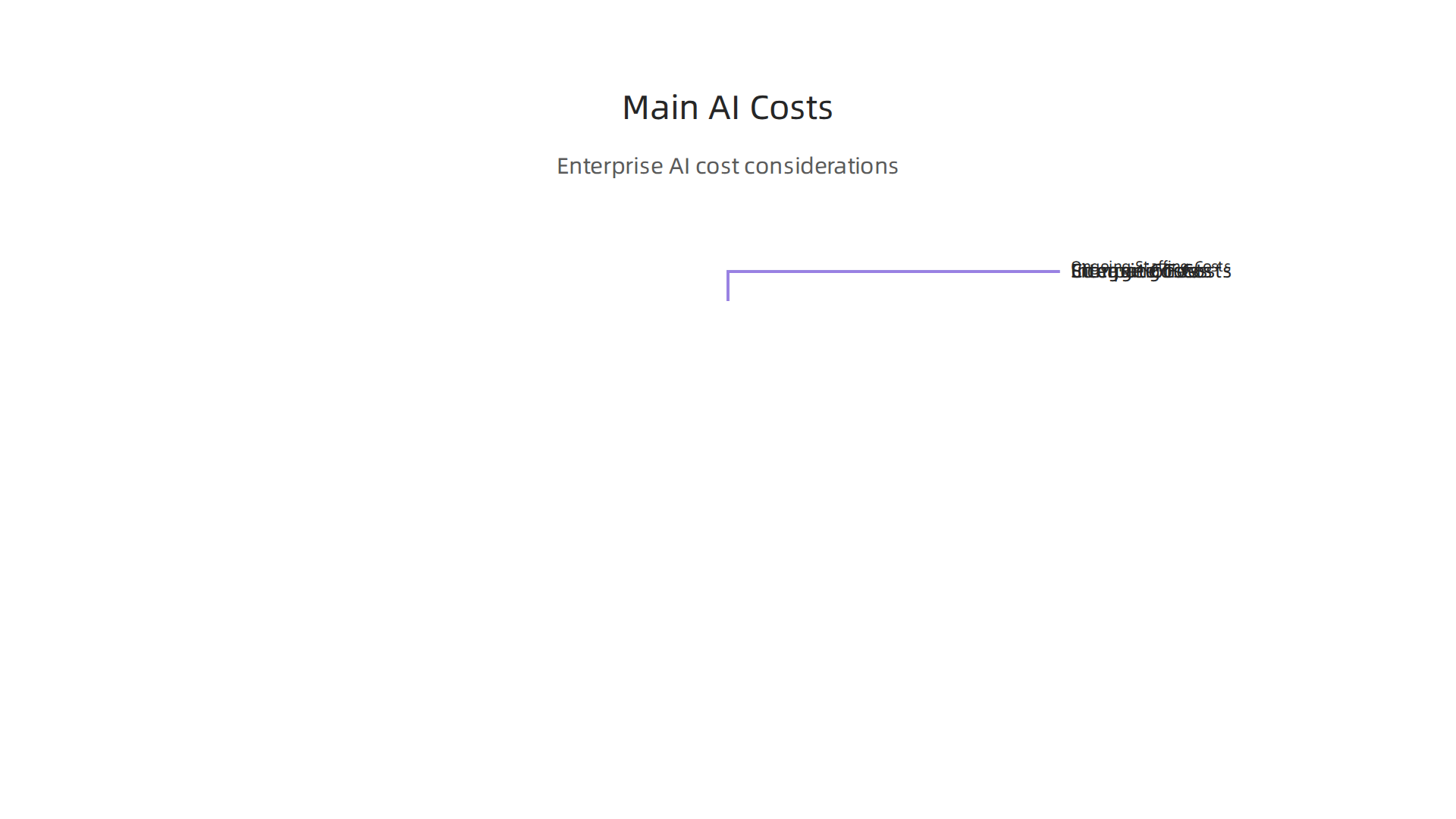
- Compute Costs: This is the money you spend on the powerful computers and cloud services that make your AI run. AI needs a lot of processing power, especially for complex tasks or if you’re working with
numerous AImodels. - Storage Costs: AI systems, especially those for
ai for data analysis, use and store huge amounts of data. You’ll pay for the space needed to keep all that information safe and ready for your AI to use. - Licensing Fees: Many AI platforms and special AI software come with a price tag. You might need to buy licenses to use certain tools or access advanced AI models. Some AI pricing models have even shifted to paying for what you use, rather than a fixed fee, which can help cut costs by up to 70% in some cases Understanding Enterprise AI Pricing: A Guide to Commercial ….
- Integration Costs: Getting your new AI platform to "talk" and work smoothly with your existing computer systems can take a lot of effort and money. It’s about making sure everything fits together well.
- Ongoing Staffing Costs: You’ll need people to manage, maintain, and update your AI systems. This includes specialists who can keep the AI running, fix problems, and help it grow with your business.
Understanding these costs is the first step. The next is to see how these investments will actually help your business grow and save money.
Showing the Value: ROI and Business Cases
For any major investment in technology, especially with something as big as a highlevel AI platform, showing what you gain back is key. This is where ROI comes in. Return on Investment measures the benefits you get against the costs.
In 2026, many companies are investing a lot in AI, with global spending reaching an estimated $247 billion. The average company sees about 2.4 times their money back from AI Enterprise AI Adoption Statistics 2026. However, not everyone sees big returns, with some surveys showing that nearly 60% of companies invest at least $1 million yearly but only about 29% see major gains from AI Key findings from our 2026 AI adoption survey.
Here are simple ways to think about ROI and build your business case:
- Cost-Benefit Analysis: This is a direct way to compare the money you put into AI with the money or benefits you expect to get out. It helps show if an AI project is worth doing.
- Measuring Real Gains: Don’t just look at how much money you save. Also think about things like making your business run faster, making better decisions, or reducing risks. These are all part of the real value. For example, improving how things work and making processes more efficient are top benefits that businesses get from AI, with 66% of companies seeing these gains The State of AI in the Enterprise – 2026 AI report.
- Phased Approach: For big AI projects, you can measure ROI in stages. This means looking at benefits and costs during planning, then during setup, and then once it’s fully running. This helps you check if you’re on the right track at each step How to measure AI ROI in enterprise software projects.
By carefully looking at both the costs and the expected benefits, you can make sure your investment in a highlevel AI platform is smart and truly helps your business succeed. Building a strong business case helps you explain this value to everyone in your company. If you are a leader looking to get the most value from your AI efforts, understanding how to design and carry out a good plan for AI is vital. You can find more insights by reading about AI Strategy for Executives Drive Measurable Business Value.
Summary
This article explains why enterprise AI platforms are a critical strategic choice for businesses in 2026 and walks leaders through the practical tradeoffs they must consider. It breaks the market into four platform categories—model platforms (MLOps), data and feature platforms, model hosting/inference, and end‑to‑end suites—and describes who builds them: hyperscalers, specialized vendors, open source stacks and boutique integrators. The piece emphasizes non‑functional requirements such as security, scalability, data residency, SLAs and integration, and it outlines the internal components you need (data ingestion, feature stores, training pipelines, model registry, serving and monitoring). You’ll get a vendor evaluation checklist, common red flags to avoid, and guidance on deployment models, MLOps practices, observability, runbooks and rollbacks for moving from PoC to production. The article also covers governance controls—role‑based access, audit trails, model provenance and bias monitoring—and shows how to think about total cost, ROI and building a staged business case. After reading, leaders should be able to map platform types to their needs, evaluate vendors more confidently, and plan secure, scalable AI deployments that deliver measurable value.