
Introduction — why understanding ‘what does a data scientist do’ matters in 2026
The world of artificial intelligence is moving very fast in 2026. New ideas and tools pop up every day, making it an exciting but sometimes confusing place. For people looking to start a new job, change careers, or even lead a company, it’s super important to understand exactly what certain jobs really mean. This is especially true for the role of a data scientist.
Many people might wonder, "what does a data scientist do?" They might think it’s all about robots or just making pretty graphs. But the truth is, the job is much bigger and more detailed. A data scientist is key in helping companies make smart choices by finding important insights hidden in large amounts of information. They often collect and clean data, look for patterns, and build models to predict what might happen next. For example, a data scientist might find patterns and trends in datasets to help a business understand its customers better.
Because the field is always changing, it’s easy to misunderstand this role. This article will help clear up those ideas. We will break down the real daily tasks and big duties of a data scientist. We will also look at different career paths you can take and what steps you need to follow to get there. Whether you are curious about data science careers 2026 or just want to understand this important job better, you’re in the right place.
To stay on top of all the quick changes in AI and technology, it’s helpful to get clear daily updates.

You can find these by subscribing to The AI Newsletter Worth Reading.
1) What a Data Scientist Actually Does (Day-to-day)
Now that we know why understanding a data scientist’s job is so important, let’s look at what they actually do each day. The work is very hands-on and involves many steps to turn raw information into smart business decisions. So, what does a data scientist do on a typical workday in 2026?
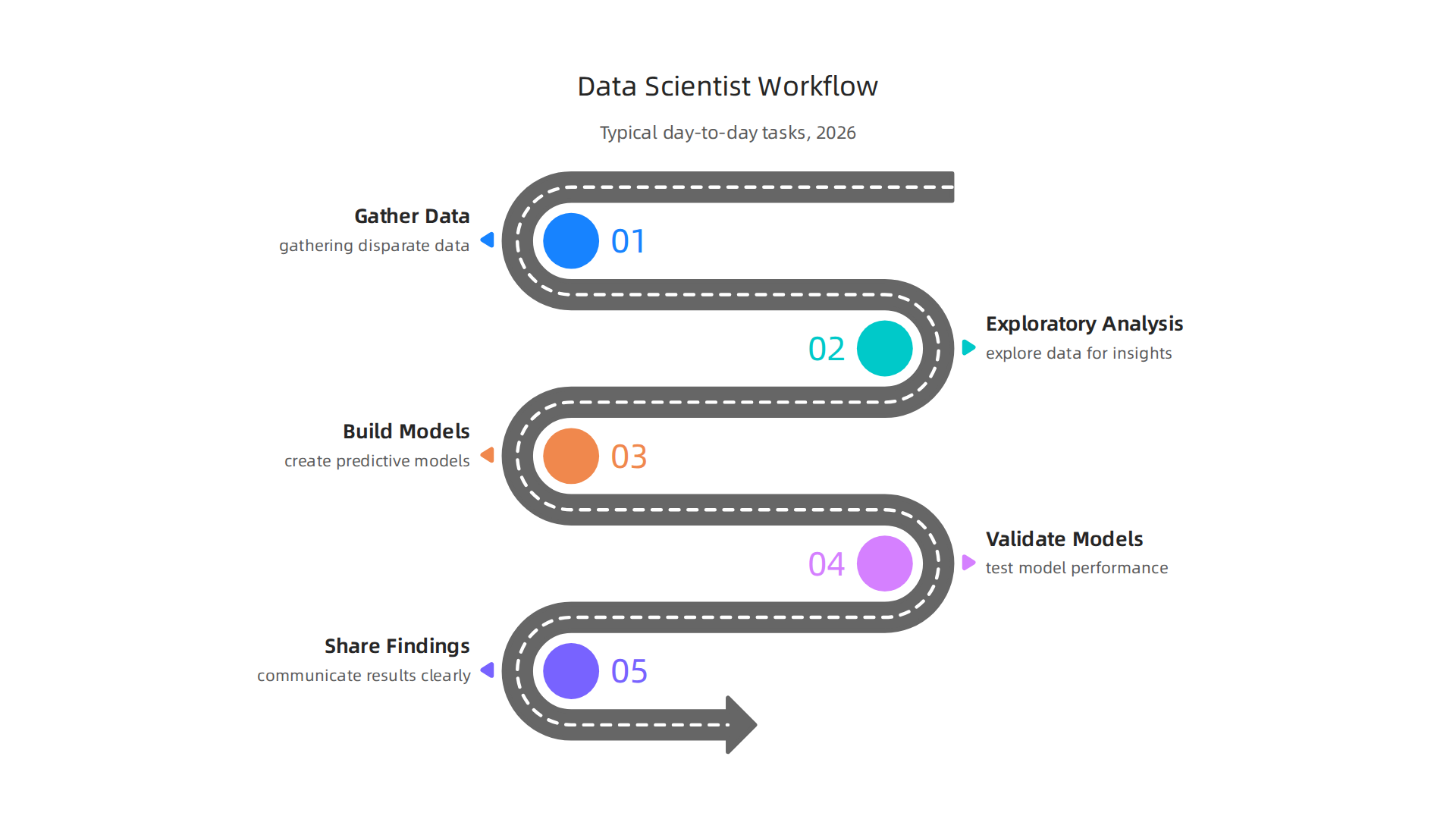
One of the first big tasks is gathering and getting data ready. Imagine data like puzzle pieces. Often, these pieces are scattered or dirty. A data scientist spends a lot of time finding these pieces from different places, like databases or websites. Then, they clean them up, making sure they are correct and in the right shape to be used. In fact, experts say a data scientist might spend 60-80% of their time collecting, cleaning, and preparing data. This is a crucial step because bad data leads to bad results. For those interested in this foundational work, understanding what is data analytics a clear guide to understanding and using data in 2026 can be very helpful.
After the data is clean, the data scientist looks for patterns and trends. This is called exploratory data analysis. They use special tools and methods to dig into the information and find hidden meanings. They might write computer code using languages like Python to make sense of large datasets. For example, a typical week for a data scientist could include writing SQL queries to extract data and cleaning it with Python.
Next, they build models. These models are like smart calculators that can predict things. For instance, they might create a model to guess what customers will buy next or how likely a machine is to break down. This often involves using machine learning techniques. After building a model, they check if it works well. This is called validation, where they test the model to see how accurate its predictions are. To get better at this, learning about mastering practical machine learning for data science in 2026 is a great next step.
Finally, a data scientist needs to share what they found. They turn complex numbers and models into easy-to-understand stories and pictures for other people in the company, like managers or product teams.

They help these teams understand what the data means and how it can help the business make better choices. They work to share meaningful insights with the business.
The day-to-day tasks can change based on the company. In smaller companies, a data scientist might do a bit of everything, from setting up data systems to building models. In bigger companies, roles are often more focused. One data scientist might only work on cleaning data, while another specializes in building specific types of models. Also, if a company is just starting a new project (prototype phase), the data scientist might experiment a lot. If a product is already running (production phase), they might focus more on making sure the models work smoothly and efficiently.
Data scientists don’t work alone. They team up with many others. They work with engineering teams to get the right data or to put their models into the company’s products. They also work closely with product teams to understand what problems need solving and what questions the business has. Sometimes, they even work with research teams to explore new ideas and technologies. This teamwork is key to making sure their data-driven solutions truly help the company.
After looking at what a data scientist does every day, it’s clear that certain skills are needed to do these tasks well. In 2026, employers are looking for a mix of strong technical know-how and important "people skills."
Foundational Technical Skills
To be a successful data scientist, you need a solid base of technical skills. These are the tools and methods used to work with data.
- Statistics and Math: Data science is built on understanding numbers. You need to know statistics to find patterns, make sense of data, and test if your findings are real or just luck. This helps data scientists build good models that predict things accurately.
- Programming Languages: Python and R are like the main tools in a data scientist’s toolbox. They use these languages to clean data, run analyses, and build models. SQL is also super important for getting data from large databases. Many job postings in 2026 highlight Python and SQL as core skills employers want to see in candidates.
- Data Analysis and Visualization: Being able to look at data and see what it means is key. Then, turning that information into charts and graphs that others can easily understand is just as important. Employers are really prioritizing this skill, recognizing it as one of the top new tech skills for many organizations in 2026, according to one report. If you’re looking to start a career in this field, learning about data science careers in 2026 can help guide your skill development.
Modern ML Engineering Skills
Beyond the basics, the world of data science is always growing, especially with AI. So, modern data scientists also need skills related to machine learning (ML) engineering.
- Machine Learning Expertise: This means knowing how to create, train, and improve machine learning models. It goes beyond just building a model; it includes understanding different types of models and when to use them.
- Model Deployment and MLOps: It’s not enough to build a great model; you also need to make sure it works in the real world. MLOps (Machine Learning Operations) is about putting these models into action and keeping them running smoothly. This includes making sure models are monitored, updated, and integrated into company systems. AI and machine learning engineering, along with cloud architecture, are leading the demand for technical skills in 2026.
High-Value Non-Technical Skills
While technical skills are a must, the best data scientists also have strong "soft skills" that help them apply their knowledge effectively.
- Domain Knowledge: This means understanding the specific business or industry you’re working in. If you know a lot about healthcare, finance, or retail, you can ask better questions and build more helpful models for that area.
- Experimentation Design: A data scientist needs to be able to set up smart tests to answer business questions. This involves thinking about what data to collect and how to analyze it to get clear answers.
- Problem-Solving: Data science is all about solving problems using data. You need to be good at figuring out complex issues and coming up with clever ways to tackle them.
- Storytelling and Communication: This is super important. Data scientists take complicated findings and turn them into simple stories that anyone can understand. They help business leaders make good decisions by clearly explaining what the data means. In fact, analytical thinking is still the top core skill, with many companies seeing it as essential, and strong communication skills are also highly requested by employers in 2026.
- AI Literacy: With AI becoming a big part of everything, understanding how to use AI tools, check their output, and work alongside them is a basic skill for almost any professional in 2026.
These skills show that what does a data scientist do is much more than just crunching numbers. It’s about being a problem-solver, a storyteller, and a bridge between complex data and real-world business results.
To stay ahead of the curve in this fast-changing field, continuous learning is key. Get clear daily AI updates and dive deeper into the world of AI breakthroughs.
The AI Newsletter Worth Reading
After learning about the many skills that help a data scientist do their job well, you might be wondering, "what does a data scientist do" in terms of daily work, and what kind of job fits you best? It turns out, "data scientist" is a big umbrella. There are many different paths you can take, each with its own focus and required background.
Let’s look at some common career paths in data science and what they usually involve.
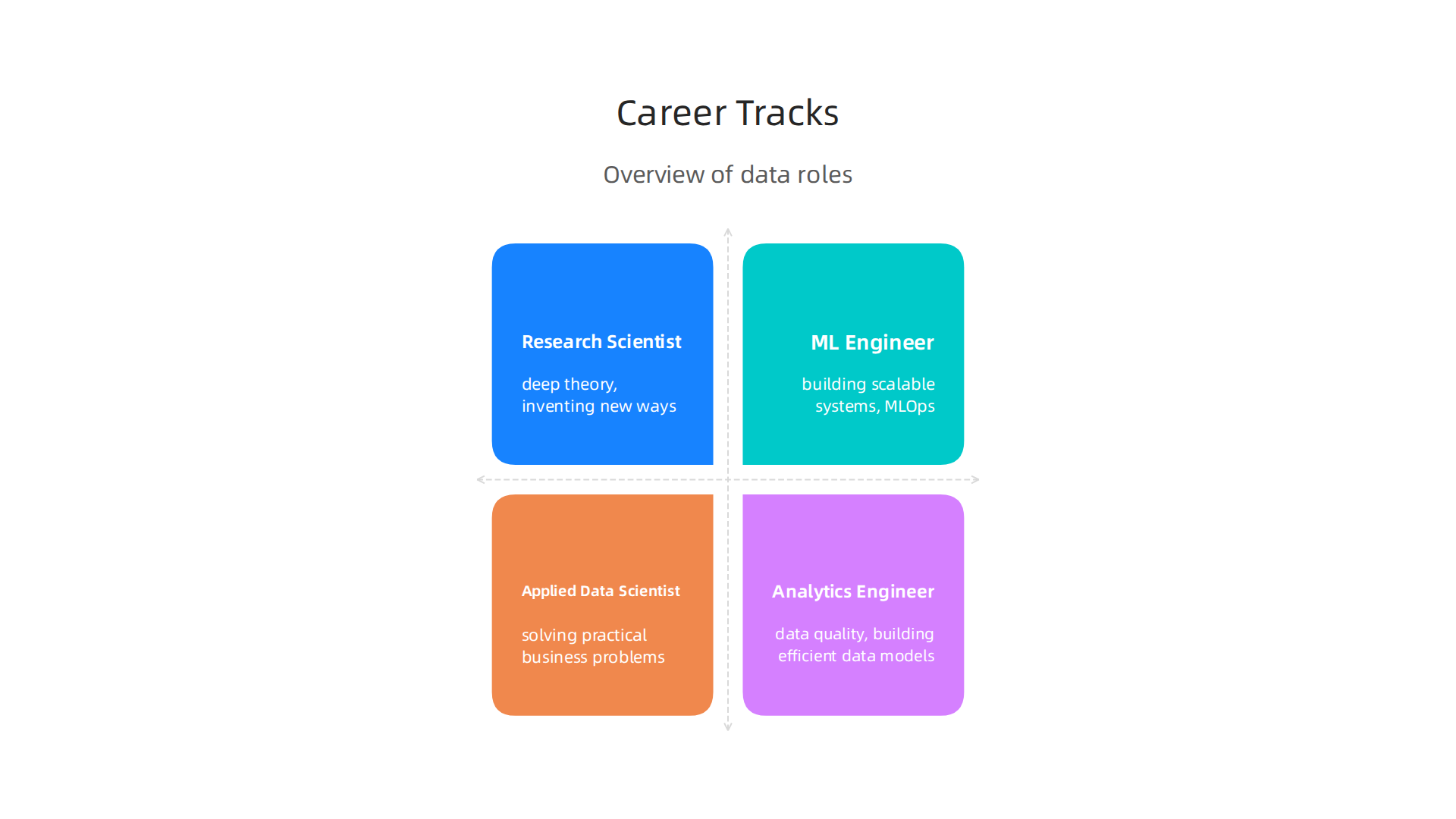
Research Scientist
A Research Scientist in data science spends their time exploring new ideas. They work on creating brand-new algorithms and models, pushing the limits of what AI and machine learning can do. Their main goal is often to publish their findings or invent new technologies.
- Emphasis: Deep theory, inventing new ways to solve problems, and advancing the field.
- Hiring Signals: Often requires a PhD in computer science, statistics, or a related field. Employers look for a strong history of research, publications, and innovative thinking.
ML Engineer (Machine Learning Engineer)
An ML Engineer is all about making machine learning models work in the real world. They build, test, and maintain the systems that run these models. Think of them as the bridge between cutting-edge research and actual products. They ensure models are fast, reliable, and can handle a lot of data. Many companies in 2026 are looking for strong engineering skills paired with AI expertise.
- Emphasis: Product engineering, building scalable systems, setting up MLOps (Machine Learning Operations) for smooth model deployment and monitoring.
- Hiring Signals: A strong background in software engineering is key, often with a master’s degree in AI or machine learning. Experience with cloud platforms and robust coding practices is highly valued. If you are looking to boost your skills in this area, consider mastering practical machine learning for data science in 2026.
Applied Data Scientist
The Applied Data Scientist is a problem-solver who uses data to answer specific business questions. They take existing data science methods and apply them to real-world challenges, helping companies make smarter decisions. This role often involves a lot of communication, explaining complex data findings in simple terms. They are crucial for showing the business value of data.
- Emphasis: Solving practical business problems, building models that directly impact company goals, and translating data insights into actions.
- Hiring Signals: A mix of strong technical skills (like those mentioned earlier) and deep understanding of a particular industry or business area. Employers often look for people with a master’s degree in data science or statistics, plus good communication skills. If this sounds like you, exploring entry level data science jobs in 2026 might be a good next step.
Analytics Engineer
An Analytics Engineer focuses on making data ready for others to use. They build and manage the "pipelines" that move data around and transform it into clean, reliable datasets. This makes it easier for data analysts and applied data scientists to do their work. Their job ensures everyone in the company is looking at the same, correct information. Demand for AI and data skills, including analytics engineering, remains high across U.S. employers in 2026, according to one report Tech Skills US Employers Are Hiring for in 2026.
- Emphasis: Data quality, building efficient data models, and setting up reliable data infrastructure.
- Hiring Signals: Strong SQL skills are essential, along with experience in data warehousing and data transformation tools. Many analytics engineers start as data analysts and then specialize. For those interested in improving their qualifications, looking into top data analytics certifications in 2026 for AI careers can be very helpful.
Each of these roles requires a data scientist to use their skills in different ways, but all aim to make sense of data and use it for growth. Knowing these tracks can help you decide which path in data science fits your skills and interests best.
Now that you have seen what a data scientist does in different roles, it’s time to think about how to pick the best path for you. Choosing the right data science career isn’t just about your skills. It also depends on the kind of company you want to work for, the industry you are interested in, and what truly matters to you in a job.
Company Stage and Your Role
The type of company you join can greatly change your daily work as a data scientist.
- Startups (Newer, smaller companies): If you join a startup, you often need to be a jack-of-all-trades. You might do a little bit of everything: data cleaning, building models, and explaining results. There’s usually less structure, but you can have a big impact on the company’s success. This is a great fit if you like moving fast, taking on many different tasks, and seeing your work quickly make a difference.
- Enterprises (Larger, established companies): In bigger companies, roles are often more specialized. You might focus just on machine learning engineering or analytics engineering. There’s more structure, clear career paths, and lots of resources. These roles might be better if you prefer to dive deep into one area, work with large teams, and value stability.
What Industry Do You Like?
The field you work in, or "domain," also shapes what a data scientist does. For example:
- If you love healthcare, you might use data to improve patient care or find new treatments.
- In finance, you might build models to predict market trends or detect fraud.
- For marketing, you could help companies understand what customers want.
Your passion for a certain industry can make your data science work feel much more rewarding. It helps you connect the data work to real-world outcomes you care about.
Your Personal Strengths
Think about what you are good at and what you enjoy doing.
- Are you great at solving tough puzzles and inventing new methods? Maybe a Research Scientist role is for you.
- Do you love building robust systems and making sure technology runs smoothly? An ML Engineer might be a better fit.
- Do you enjoy using data to solve business problems and explaining complex ideas clearly? An Applied Data Scientist could be your calling.
- Are you careful, organized, and love making sure data is clean and easy to use? An Analytics Engineer might be perfect.
Data science in 2026 is truly a family of roles, as experts have noted, showing just how varied the field has become Data Science in 2026: The Definitive Guide to Trends, …. Matching your strengths to these specialized roles is key.
Your Decision Checklist
When you’re looking at different job opportunities, here’s a simple checklist to help you decide:
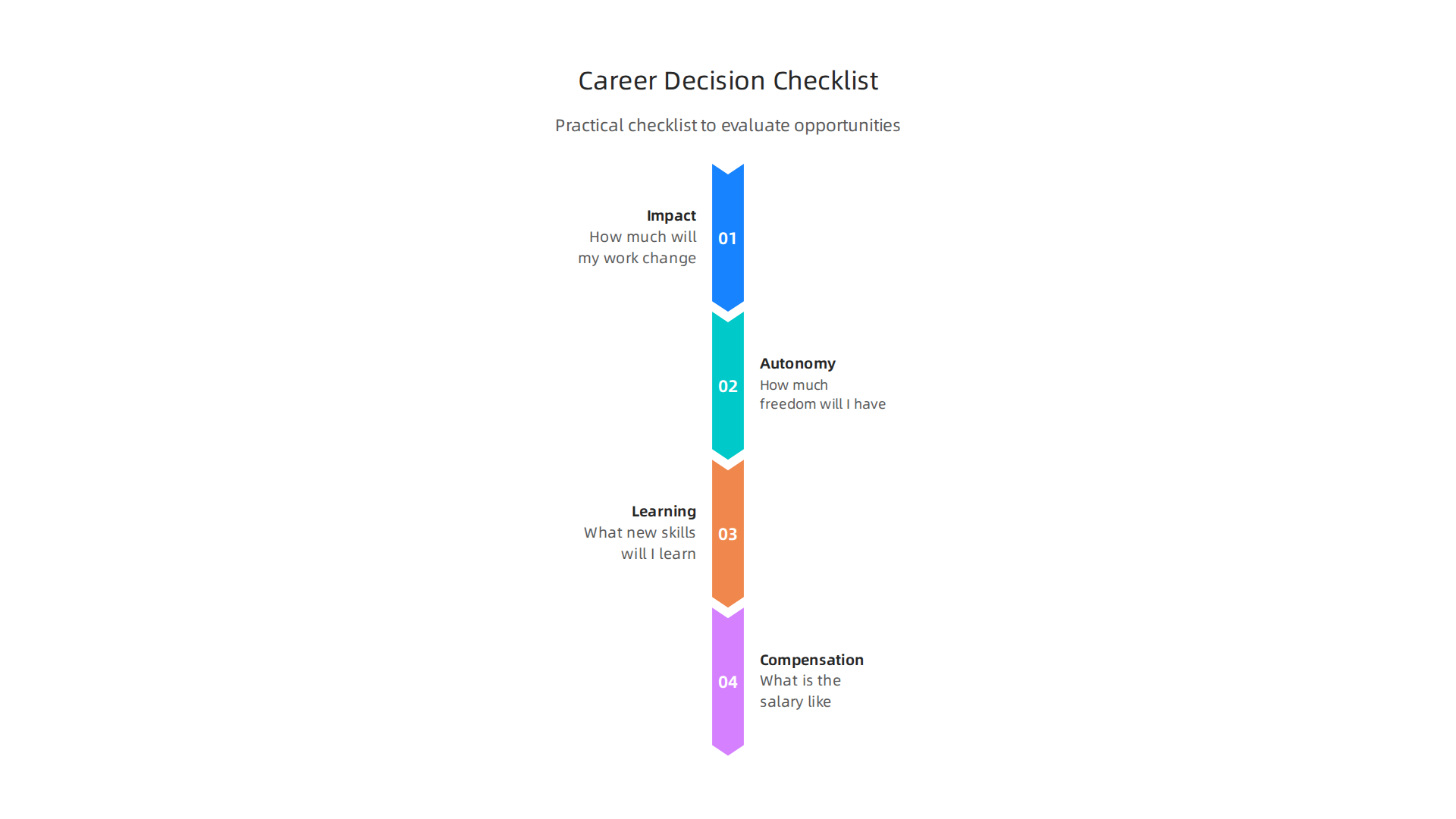
| Factor | What to Ask Yourself |
|---|---|
| Impact | How much will my work change things? Will I see the direct results of my efforts? |
| Autonomy | How much freedom will I have to choose how I solve problems? |
| Learning | What new skills will I learn? Will I grow in areas I care about? |
| Compensation | What is the salary like? Data Scientist salaries can range from $115K to $175K on average in 2026, while ML Engineers often see $160K to $230K Data Scientist vs ML Engineer vs AI Engineer: 2026 Career Gu. |
Thinking about these points will help you find a role where you can truly thrive and enjoy what you do every day. Knowing what does a data scientist do in different settings helps you set clear goals. For more detailed insights into navigating your career in this exciting field, explore our guide on data science careers 2026.
Want to stay informed about the latest AI advancements and how they impact career paths like these? Get clear daily AI updates by signing up for The AI Newsletter Worth Reading.
After you have thought about what kind of data science role fits you best, the next step is to get hired. This means showing companies what you can do. Recruiters and hiring managers in 2026 are looking for specific things. It is not just about having skills, but about how you show that your work makes a real difference.
What Hiring Teams Look For
When someone is looking to hire a data scientist, they want to see that you can solve problems and bring value to their business. This means they are often more interested in the actual impact of your projects than just how fancy your models are. They want to know how your work helps the company make more money, save money, or improve how things work. Many companies are now using skills-based hiring, meaning they care more about what you can actually do than just degrees or basic certificates Machine Learning Hiring Trends 2026.
For different data science jobs, hiring managers look for different "signals" or signs of your talent:
- Research Scientists: These roles need to see your big ideas. Recruiters often look at your published papers, how many times others have mentioned your work, or special papers you have shared online Recruiting Data Scientists in the AI Era (2026).
- Machine Learning Engineers: For these roles, companies want to see if you can build strong systems. They check your code contributions on public platforms or your success in coding contests.
- Other Data Scientists: For applied roles, showing projects that solve business problems is key.
Building a Strong Portfolio and Resume
Your resume tells a short story about your past work and education. Your portfolio is where you really show off what you can do. It’s like a collection of your best projects.

Here is what makes a good portfolio project:
- Real-world problems: Pick projects that solve problems a business might actually have.
- Clear steps: Explain what you wanted to do, how you did it, and what tools you used.
- Show impact: This is very important. Do not just say you built a model. Explain what the model achieved. Did it help predict sales better? Did it find errors faster? Show the numbers.
- Easy to follow: Make sure someone else can understand your work and even try it out if they want. This is called reproducibility.
- Code quality: Your code should be clean and easy to read.
Remember, when building your portfolio for AI jobs in 2026, it’s not just about the technical skills. It is also about showing how you can turn data into actions that help a business. To learn more about what skills and portfolios help you get hired, you can check out guides on AI jobs 2026. If you are new to the field, consider looking into how to prepare for entry level data science jobs in 2026.
Acing the Interview
Interviews for data science roles in 2026 will likely dig deep into your projects. Interviewers will want to hear about:
- Your thought process: How did you approach a problem? Why did you choose certain methods?
- Handling challenges: What problems did you face, and how did you fix them?
- Business results: Be ready to talk clearly about the business impact of your work. What metrics did your project improve?
Even if you have taken many data analytics courses or earned the best data analytics certification, showing how you apply that knowledge to create real value is what truly sets you apart. Focusing on measurable results and clear communication about your projects will help you shine.
After you land that first data science job, the journey does not stop there. Actually, it is just the start of figuring out how to grow in your career. Many people wonder, "what does a data scientist do" as they move up the ladder? The answer changes as you gain more experience and take on bigger challenges.
Paths for Growth in Data Science
In 2026, a data scientist’s career often follows a clear path, starting from junior roles and moving up to senior, lead, or even principal positions What is the data science career path in 2026?. As you grow, you usually choose one of two main paths:
- Individual Contributor (IC) Track: This path is for those who love diving deep into technical work. You become an expert in your field.
- Management Track: This path is for those who enjoy leading teams and guiding others.
Let’s look at each one more closely.
The Individual Contributor (IC) Track: Technical Deepening
On the IC track, your main goal is to become better and better at the technical parts of data science. You start by working on tasks and building models under guidance. But as you get more senior, what does a data scientist do? They start to:
- Solve harder problems: You will tackle very complex issues that need new ideas and solutions.
- Design full systems: Instead of just building a small part, you will plan and create entire data science systems from start to finish.
- Be a technical leader: You will guide junior team members, share your knowledge, and set the standard for technical excellence.
- Influence products: Your insights will directly shape new products or how existing ones work, showing real business value.
Moving from a junior role to a lead or principal data scientist on this track means you are consistently delivering high-quality, impactful work. You will likely focus on things like machine learning engineering or applied science. You can learn more about how roles like these grow by looking at a Data Scientist Career Path: From Junior to Lead in 2026.
The Management Track: Leading Teams and Strategy
If you like working with people and planning, the management track might be for you. Here, you switch from mostly technical work to leading a team of data scientists. What does a data scientist do when they become a manager? They:
- Guide teams: You will help your team members grow, teach them new skills, and make sure projects are on track.
- Set strategy: You will work with company leaders to decide which data problems are most important and how your team can help.
- Connect with other teams: You will make sure your data science team works well with other parts of the company, like product or engineering.
- Focus on the bigger picture: You will think about how data science can help the whole business succeed.
This path can lead to roles like Data Science Manager, Director of Analytics, or even VP of Data

Data Analyst / Scientist Career Ladder: Levels, Titles & Criteria. It is a big shift that needs strong communication and leadership skills.
When to Make the Switch or Level Up
Deciding whether to stay on the IC track or move into management is a big choice. Think about what you enjoy most. Do you love solving technical puzzles, or do you get more satisfaction from helping others succeed and shaping team goals?
To move up in either track, you need to show more impact. It is not just about doing more work, but about how your work helps the company grow. For instance, a senior data scientist might lead a cross-team project or design a new machine learning system.
Many people find value in continuing their learning through specialized data analytics courses or earning an advanced data analytics certification to help them make these transitions. Exploring different aspects of data science careers 2026 can also help you understand the skills needed for each level.
No matter which path you choose, staying informed about the latest trends in AI and data science is crucial for growth.
Get clear daily AI updates from The AI Newsletter Worth Reading.
Summary
This article explains what a data scientist does in 2026, why the role matters, and how the job has evolved with fast-moving AI tools. It walks through a typical workday—collecting, cleaning, exploring data, building and validating models, and communicating results—and shows that cleaning and preparation often take the majority of time. The piece breaks down must-have technical skills like statistics, Python, SQL, and modern ML engineering plus MLOps, while also stressing high-value soft skills such as domain knowledge, experimentation design, and storytelling. It describes common career tracks—research scientist, ML engineer, applied data scientist, and analytics engineer—and how company size and industry shape daily work. Practical guidance covers what hiring teams look for, how to build a portfolio that demonstrates impact, and how to succeed in interviews. Finally, it outlines growth options on individual contributor and management ladders so you can choose the path that matches your strengths and goals.