

In 2026, the world of artificial intelligence (AI) is moving faster than ever. New ideas and tools pop up every day. It can be hard for business leaders, investors, and even smart tech people to know what’s truly important. They need to tell the difference between exciting new breakthroughs and just a lot of talk.

This is where focusing on specific kinds of machine intelligence research becomes very helpful.
Among the many new things, two areas called quantum AI and Bayesian artificial intelligence are getting a lot of attention. These approaches could change how we solve big problems, but they are also quite complex. It’s easy to get lost in the details or to misunderstand what they can really do. Leaders often feel overwhelmed by the sheer amount of information and need a clear, solid way to understand these new advances.
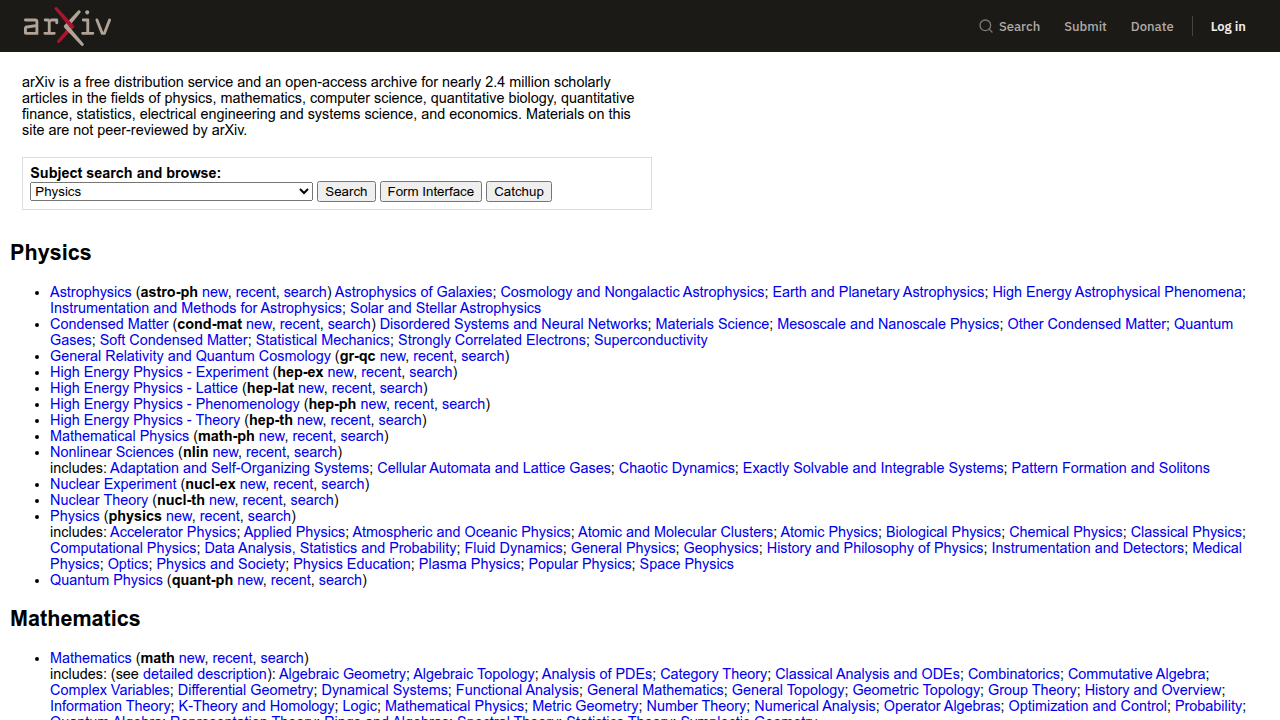
This article is here to help. It will give you a clear and easy-to-understand guide to these important areas of machine intelligence research. We will look at the basic ideas behind them, explore the newest discoveries, and see how they are being used in the real world. You will learn about the possible good things they can bring and also the risks they might have. Our goal is to give you the facts you need to make smart choices. This includes understanding everything from the core concepts to recent advances like "stealth AI" applications. Experts are still diving deep into these fields, with many papers like "A Survey on Quantum Machine Learning" explaining what’s happening now in the quantum space https://arxiv.org/html/2310.10315v3.
Similarly, the topic of Quantum Bayesian computation is also a very active research area.
We will help you understand what’s really changing the game in AI and what’s just hype. This way, you can stay ahead and use these powerful new tools wisely. It’s all about making sense of the AI breakthroughs in 2026 that actually matter.
To keep up with all the fast-moving changes in AI and get clear daily updates, consider signing up for our free newsletter.
The AI Newsletter Worth Reading
State of the Field: Where Quantum Computing and Bayesian AI Intersect
We’ve talked about how important it is to spot real breakthroughs in the fast-moving world of AI. Now, let’s dive into how two powerful ideas, quantum AI and Bayesian artificial intelligence, are starting to work together. This mix is creating new ways to solve problems that regular computers find too hard.
Think of it like this:
- Quantum AI uses the strange rules of tiny particles, like how they can be in many places at once (superposition) or linked together even when far apart (entanglement). This allows for completely new ways to process information.
- Bayesian AI is about smart guessing. It helps computers learn from data and make good decisions, even when there’s a lot of unknown information. It’s like how we update our beliefs as we get new clues.
When you put these two together, you get a powerful new area of machine intelligence research. Scientists are exploring things like Bayesian Deep Learning on a Quantum Computer, where quantum systems help make smart guesses even better. Other research is looking at Quantum inference for Bayesian networks, which means using quantum ideas to improve how Bayesian models think through problems. This can lead to building AI that learns with less data and can handle uncertainty in a more advanced way. For instance, in the world of money, people are looking into Quantum Bayesian Machine Learning in Finance to make better predictions and manage risks.
It’s easy to get excited, but we need to understand what’s real right now and what’s for later.
Common Misconceptions:
- Quantum AI isn’t ready for everything: Some people think quantum computers will magically solve all AI problems tomorrow. Actually, these machines are still growing up. They are very hard to build and work best on very specific kinds of problems today. Most of the breakthroughs we see now are small steps forward in research labs, not huge leaps for everyday use.
- Bayesian AI isn’t always slow or simple: It’s known for being good with uncertainty, but it can also be complex to set up for big problems. Combining it with quantum methods is meant to make it even stronger and sometimes faster, especially for tough calculations.
Realistic Expectations:
- Near-term (next few years): We’ll see more deep research and proof-of-concept projects. This includes developing new quantum algorithms for tasks like pattern recognition and optimization, as explored in a comprehensive review of quantum machine learning. We might also see specialized "stealth AI" applications where these methods are used behind the scenes for very complex tasks, like making new materials or designing drugs. These hidden uses won’t be flashy, but they’ll be important.
- Long-term (many years from now): This is where we expect a big change. Once quantum computers become more powerful and easier to use, the blend of quantum and Bayesian artificial intelligence could transform many industries. Imagine smarter drug discovery, better climate models, or even truly intelligent systems that can learn and adapt almost like humans.
Understanding these realistic expectations helps leaders and investors make smart choices, guiding them through the hype to see the true value in these advanced areas of machine intelligence research.

It’s about knowing when to invest and when to simply watch and learn. To help business leaders stay informed about such complex technologies, it’s key to have an understanding of realistic AI and what it can truly achieve.
Quantum computing primer for AI professionals
We’ve explored the promise and common misunderstandings of quantum AI and Bayesian artificial intelligence. Now, let’s get a basic understanding of quantum computing itself. This is important for anyone working in machine intelligence research, especially as these technologies grow.
Think of it like learning a new language. You don’t need to be a fluent speaker right away, but knowing the key words helps you understand what’s happening.
Here are the main ideas for AI professionals:
-
Qubits: The Quantum Bits
Regular computers use "bits" that are either 0 or 1. Quantum computers use "qubits." A qubit can be 0, 1, or both at the same time. This is called superposition. It’s like a coin spinning in the air before it lands. It’s neither heads nor tails until you stop it. Qubits can also be "entangled," meaning they are linked in a special way. If you know what one entangled qubit is doing, you instantly know about the other, no matter how far apart they are. These special properties let quantum computers do certain calculations in ways classical computers can’t, making them interesting for advanced quantum machine learning. -
Noise: The Quantum Challenge
Today’s quantum computers are still in their early stages. They are often "noisy." This means they make mistakes easily. The qubits can lose their special quantum state because of tiny disturbances from their surroundings, like heat or vibrations. This noise makes it hard to run long or very complex calculations without errors. For example, some quantum models face "barren plateaus," which are like flat landscapes where it’s hard for the computer to find the right answer, as explained in research on quantum variational algorithms. Dealing with this noise is a big part of current machine intelligence research in this area. -
Variational Circuits: Bridging Worlds
Because of noise, many quantum AI ideas today use something called "variational circuits," also known as Variational Quantum Algorithms (VQAs). These are like a team effort between a quantum computer and a regular, classical computer. The quantum computer handles the super-fast quantum parts of a problem, while the classical computer helps guide it, adjust settings, and reduce errors. This hybrid approach helps us use today’s noisy quantum machines to do useful work. You can learn more about these methods in courses on Variational Quantum Algorithms for ML.
Quantum Primitives for Smart Guessing (Probabilistic Inference)
When we talk about Bayesian artificial intelligence, we often mean "probabilistic inference." This is about making smart guesses and updating them as we get new information. Quantum computers might help with this by:
- Exploring many possibilities at once: Qubits can hold many states at once (superposition), which could help in looking through many possible answers much faster than classical computers for certain problems. This is useful for complex problems where we need to figure out the most likely answer from many choices.
- Finding patterns in data: Quantum methods could be good at spotting hidden connections in large amounts of data, which can improve how Bayesian models learn and make predictions.
However, classical methods still lead the way for most tasks today. Even with the advances in 2026, quantum computers are still best for very specific, hard problems. Things like everyday data analysis, common prediction models, and basic pattern recognition are still much better handled by classical computers.
To truly understand how this field is evolving and what skills are needed, staying updated on educational paths is key. Learning about the foundational theories of quantum computing is critical for anyone looking to enter or advance in these specialized areas of AI. If you’re looking to dive deeper into the required knowledge, consider checking out the best AI course in 2026 to build your skills.
While quantum computers offer exciting possibilities for future calculations, many real-world problems in 2026 are still best handled by traditional methods. This is especially true for bayesian artificial intelligence, which helps us make smart guesses with clear understanding of how sure we are.
Bayesian AI is a powerful way for computers to learn from data, especially when there isn’t a lot of information. It’s different from other methods because it not only gives an answer but also tells you how certain it is about that answer. This helps people make better choices when things are unclear.
Practical Methods We Use Today
In 2026, several practical Bayesian techniques are widely used in computer programs. These methods help us build models that learn and adapt.
- Approximate Inference: Sometimes, the math for exact Bayesian solutions is too hard or takes too long. So, we use "approximate inference." This is like making a really good guess that’s close enough to the right answer. It helps us get useful results much faster.
- Variational Bayes: This is a smart way to do approximate inference. It turns a hard math problem into an easier one that computers can solve quickly. It finds the best simple model that is very close to the complex true model. Even this method is seeing advanced development, with explorations into how quantum advantage in variational Bayes inference could speed things up in the future.
- MCMC (Markov Chain Monte Carlo) Variants: These are like drawing many samples from a complex picture to understand what the whole picture looks like. MCMC methods run many simulations to get a good idea of the possible answers and their probabilities. They can be very accurate but sometimes take a long time to run, especially with lots of data.
Each of these methods has its own give and take. Variational Bayes is usually faster but might be less exact. MCMC can be more exact but takes longer. Choosing the right one depends on the problem, how much data you have, and how quickly you need an answer.
Where Bayesian AI Shines Brightest
Bayesian methods really stand out in certain situations:
- Understanding Uncertainty: This is perhaps the biggest strength. Bayesian models don’t just say "yes" or "no" or give a single number. They tell you "yes, and I’m 90% sure," or "the answer is likely between 5 and 10." This "uncertainty quantification" is super important in fields like medicine, finance, and engineering, where knowing the risk is key.
- Working with Small Data: When you don’t have a huge amount of data, many common AI methods struggle. But Bayesian artificial intelligence can learn effectively from smaller datasets by using what we already know (prior information) before looking at the new data.
- Model Calibration: This means making sure a model’s predictions are well-tuned to reality. If a Bayesian model says it’s 80% sure about something, it usually means that when it says this, it’s correct about 80% of the time. This makes these models very reliable.
These advantages make Bayesian AI a vital part of modern machine intelligence research and development, even as we look towards new areas like quantum AI. While quantum computers are still mostly in labs, the classical Bayesian tools are actively helping solve real-world problems today.
Even with today’s powerful Bayesian tools, the future of advanced machine intelligence research is looking towards combining these ideas with quantum computing. This mix, often called hybrid quantum-Bayesian approaches, promises to solve problems that are too big or complex for even the best traditional computers.

Where Hybrid Quantum-Bayesian AI Brings Real Value
Imagine trying to find the very best solution when there are too many options to count and a lot of unknowns. This is where hybrid quantum-Bayesian artificial intelligence can shine in real businesses:
- Solving Hard Optimization Problems: Many industries need to find the best way to do things. Think about making supply chains run super smoothly, figuring out the best shipping routes, or managing complex financial risks. When you add uncertainty to these problems, they become even harder. Quantum computers could quickly check many possibilities, while Bayesian methods help understand the risks and pick the most reliable choices. Industries like finance and logistics are eager for these kinds of breakthroughs, with quantum computing poised for initial commercial use in optimization during 2025 to 2028, according to experts Quantum Computing Commercial Breakthrough Applications.
- Faster and Better Simulations: In fields like medicine and materials science, running simulations is key. For example, finding new drugs means testing how millions of molecules might interact. Quantum computers can model these tiny interactions much faster. By adding Bayesian methods, scientists can also understand how certain they are about the simulation results, speeding up drug discovery and the creation of new materials.
- Understanding Complex Systems: Some systems, like weather patterns or stock markets, are very hard to predict because so many things affect them. Quantum AI could help process huge amounts of data from these systems. Bayesian approaches then add a layer of understanding by showing how likely different outcomes are, which helps in making smarter predictions and decisions, even when information is fuzzy.
How to Evaluate New Quantum AI Ideas
For investors and leaders in 2026, it’s important to look closely at claims about new quantum AI breakthroughs. While there’s a lot of excitement, these technologies are still developing.
- Look for Clear Milestones: Companies should show real progress, not just big promises. Are they solving smaller, specific problems well? Can they explain how their new tech is truly better than what we have now? For instance, current quantum machine learning models, especially Variational Quantum Algorithms (VQAs), are sometimes limited by "barren plateaus," which make them hard to train Quantum Machine Learning Explained 2026. Solutions that address these kinds of technical hurdles show real progress.
- Understand the "Hybrid" Part: Many practical quantum AI solutions today are "hybrid." This means they use both classical computers and quantum computers together. The quantum part handles the super-hard calculations, and the classical part (often using Bayesian methods) manages the rest. This teamwork is important for making quantum AI useful now.
- Investment Growth is Strong, But Be Smart: Investment in quantum technology is growing fast. In 2024, it reached $2 billion globally, a 50% increase from 2023 Quantum technology investment hits a ‘magic moment’. This shows confidence, but product leaders should focus on solutions that show practical value and clear steps towards becoming truly useful. Learning to make informed decisions is part of understanding realistic AI.
These advancements in quantum and bayesian artificial intelligence are changing how we think about what computers can do. By staying informed about these changes, you can better prepare for the future of technology.
Get clear daily AI updates from The AI Newsletter Worth Reading.
Turning exciting ideas from quantum AI and Bayesian artificial intelligence into real products needs more than just good thoughts. It requires careful engineering, clear ways to measure success, and ensuring the work can be repeated by others. This process is key for anyone serious about the AI product development lifecycle.
A Practical Checklist for Robust AI
When looking at new discoveries in machine intelligence research, especially with complex areas like hybrid quantum-Bayesian AI, you need a practical checklist to guide development and investment.
-
Can We Do It Again? (Reproducibility): This is super important. If someone builds a new quantum AI model, can another team follow the exact same steps and get the same results? If not, the research might not be solid. Good research means clearly showing all steps, data, and code used. This makes sure the findings are trustworthy and can be built upon by others in the field.
-
How Good Is It Really? (Benchmarking): It’s not enough to just say an AI works well. We need to compare it fairly against other similar systems using standard tests called "benchmarks." These help us see if a new solution is truly better or just different. For example, tools like MQT Bench for Benchmarking Software and Design provide ways to test quantum computing software. Other platforms, like Metriq, offer a collaborative platform for benchmarking quantum computers in a way that can be repeated and checked by the wider community. There are even efforts like SupermarQ, a scalable quantum benchmark suite, which apply ideas from classical computer testing to quantum systems.
Building Reliable Evaluation Pipelines
To move from an exciting paper to a dependable product, companies need strong evaluation methods. This means setting up a clear pipeline:
- Define Success: What exactly are you trying to achieve? How will you measure it?
- Choose the Right Tests: Pick benchmarks that truly show if your AI solution is doing what it’s supposed to.
- Automate and Track: Set up systems that can run these tests many times automatically and record all the results. This helps identify problems early and ensures consistent performance.
This careful approach to engineering, testing, and documenting is how cutting-edge machine intelligence research turns into reliable, useful products in 2026. It’s the path from a smart idea to a solution you can trust.
To turn those trusted solutions into reality, we need the right tools and a clear way to put them all together. This involves looking at the special hardware, software, and ways of thinking that help us experiment with new ideas in areas like quantum AI and Bayesian artificial intelligence.
The Toolkit for Advanced AI
Building cutting-edge AI systems in 2026 means having a good set of tools. For quantum AI, this includes:
- Quantum Hardware: These are the actual quantum computers. They might be in a lab, or you might access them through a cloud service from big companies. Getting hands-on time with these can be tough, but they are key for the most advanced machine intelligence research.
- Quantum Simulators: Since real quantum computers are still growing, simulators are super important. These are powerful regular computers that act like quantum ones. They let developers test their quantum programs without needing expensive quantum hardware. This helps perfect the code before running it on a real machine.
- Quantum Programming Frameworks: These are like special toolkits that help you write code for quantum computers. Examples include Qiskit, PennyLane, and Cirq. Some groups have even created unified benchmarks to test these different frameworks, showing how important it is to have good tools for comparing performance across them QUANBENCH PLUS: A Unified Multi-Framework Benchmark.
For Bayesian artificial intelligence, the tools look a bit different:
- Probabilistic Programming Libraries: These are software tools that let you build models based on probability. They help you deal with uncertainty, which is a big part of Bayesian methods. Libraries like PyMC or Stan are used to create systems that can make predictions even with incomplete information. This is very useful for developing clever applications, sometimes called "stealth AI," which can work quietly in the background, making smart decisions.
Connecting the Pieces: Hybrid Systems
One of the most exciting parts of modern machine intelligence research is figuring out how to connect these different types of tools. We often see "hybrid classical-quantum pipelines." This means you use regular computers for some parts of a problem and quantum computers for others.
For example, a classical computer might prepare the data and then send a small, complex part of the calculation to a quantum computer. Once the quantum computer finishes its task, the results come back to the classical computer for the final steps. This way, we use each type of computer for what it does best.
Similarly, probabilistic frameworks often integrate with regular machine learning tools. You might use a standard AI model for much of the work, and then use Bayesian methods to add a layer of uncertainty analysis or to make decisions when data is scarce. Learning about how to pick the right tools and platforms is key for any business looking to grow with AI. You can find out more about picking the right top AI platforms to help with this.
The smart way to integrate these varied tools ensures that ideas from deep machine intelligence research can be built into robust, real-world solutions that work reliably in 2026.
Using advanced tools for machine intelligence research means we also need to think about the bigger picture: the risks, ethical rules, and how these powerful systems are managed. As we build more advanced solutions, especially with quantum AI and Bayesian artificial intelligence, new challenges pop up.
Risks and Ethical Challenges
One major concern with quantum AI is its possible effect on security. Quantum computers could break many of the strong encryption methods we use today to keep our data safe. This is why there’s a big push for "post-quantum cryptography," which means creating new ways to protect information that even quantum computers cannot easily crack. Governments around the world are taking this very seriously. For example, the U.S. government has set deadlines for federal agencies to switch to these new, quantum-safe encryption methods, with mandates accelerating the timeline for adoption US Federal PQC Mandate After June 2026: Complete Guide.

In 2026, the White House also signed executive orders to speed up quantum innovation and secure the nation against advanced crypto attacks President Trump Signs Two Executive Orders on Quantum ….
For Bayesian artificial intelligence, the risks are often about how decisions are made. These systems deal with uncertainty, which is great, but they can sometimes make predictions based on hidden patterns or data that might have built-in biases. If a "stealth AI" system is working in the background, making choices that affect people’s lives, it’s very important to understand how and why it reached its conclusions. This need for fairness and clear reasons is a key ethical point.
Practical Governance Checkpoints
To handle these new risks, R&D managers and investors need clear steps. Here are some practical checkpoints:
- Security Audits: For any quantum project, it’s smart to plan for post-quantum security from the start. Regularly check how secure your systems are against future quantum attacks.
- Transparency and Explainability: Especially with Bayesian or "stealth AI" tools, always aim to build systems where you can understand how they reached a decision. This means avoiding "black box" AI where the internal workings are a mystery.
- Bias Detection: Regularly test your AI models for unfair biases in the data they learn from or the decisions they make. This is crucial for building ethical AI.
- Regulatory Compliance: Keep up with new laws and rules for AI and quantum technology. Many countries and international groups are setting up frameworks. The OECD, for instance, adopted its first intergovernmental standard for quantum technologies in 2026, setting shared principles Recommendation of the Council on Quantum Technologies.
- Ethical Review Boards: Consider having a diverse group of experts review your AI projects for ethical concerns before they are widely used.
By paying close attention to these areas, we can make sure that advanced machine intelligence research leads to helpful tools that are also safe and fair for everyone.

Summary
This article explains why quantum AI and Bayesian artificial intelligence matter for business leaders, investors, and AI practitioners in 2026, and it shows how to separate real progress from hype. It covers the core ideas behind qubits, superposition and entanglement, and the strengths of Bayesian methods for handling uncertainty and small data. The piece surveys current research and realistic timelines, highlights practical hybrid use cases (optimization, simulation, complex-system modeling), and describes the toolchains and evaluation steps needed to move from papers to products. It also offers a hands-on checklist for reproducibility, benchmarking, and governance, and points out key security and ethical risks such as post-quantum cryptography and bias. After reading, you will be able to assess claims, pick relevant tools, set evaluation pipelines, and make smarter investment or development decisions about hybrid quantum–Bayesian AI.